Choosing a medical scooter in 2026 is not simply a matter of selecting the newest model. It is a practical decision involving balance, distance, posture, transport, and daily confidence. The World Health Organization’s Global Report on Health Equity for Persons with Disabilities estimates that 1.3 billion people experience significant disability worldwide. That figure shows why reliable personal mobility deserves careful attention, not rushed advertising claims.
Market data also reflects rising demand. Grand View Research identifies continued growth in the global mobility scooters market through 2030, driven by aging populations and greater interest in independent living. Yet market growth does not make every scooter suitable. A compact three-wheel scooter may turn neatly around a kitchen island. A four-wheel model may feel steadier on uneven pavement. Heavy-duty designs can offer longer range, but their weight may complicate vehicle loading and home storage.
The best choice depends on the user’s real route.
This guide compares portable, mid-size, full-size, and heavy-duty medical scooter types. It considers seat support, turning radius, battery range, ground clearance, controls, and maintenance access. These details matter when a scooter meets a narrow doorway, a sloped driveway, or a long supermarket aisle. Manufacturer specifications provide useful starting points, but independent testing and professional assessment remain important. Range estimates can change with rider weight, temperature, terrain, tire pressure, and battery age. That limitation is often overlooked.
No universal winner exists. A thoughtful decision combines clinical advice, measured home dimensions, transport needs, and honest daily habits. The following overview explains where each scooter type performs well, where it struggles, and which compromises deserve closer reflection.
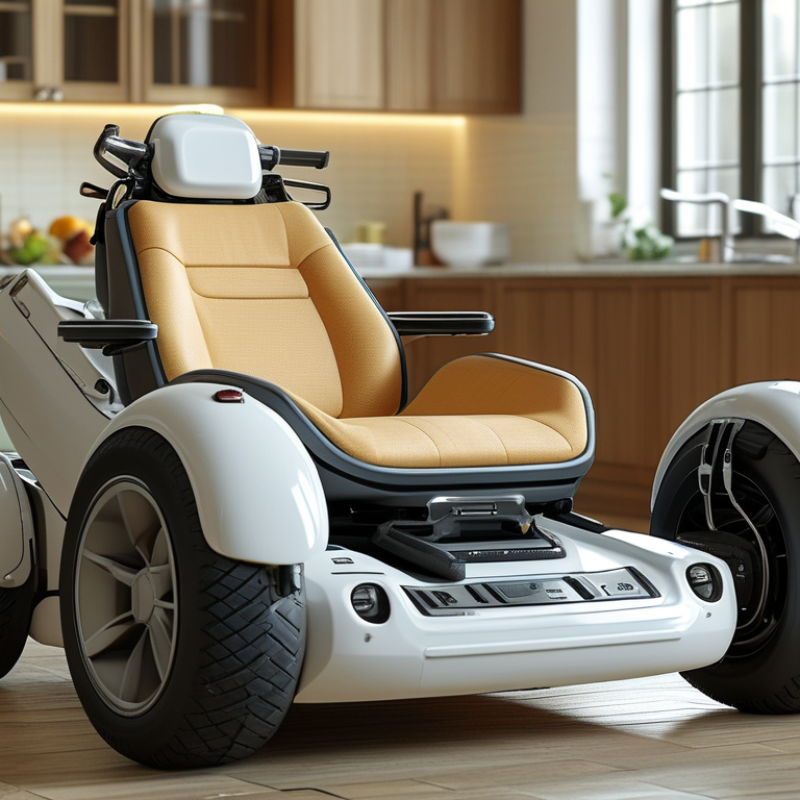
A medical scooter is a powered mobility device designed to help people travel safely when walking becomes difficult. It usually has a seat, handlebars, a battery, and three or four wheels. Unlike a standard wheelchair, the user typically steers it with a tiller.
Who needs one? People with arthritis, balance problems, muscle weakness, or limited endurance may benefit. A scooter can reduce painful walking across clinics, shops, or large homes. It is not suitable for everyone. Someone with poor hand control, severe vision loss, or difficulty following directions may need another mobility option.
Fit matters more than appearance. A healthcare professional or occupational therapist should assess posture, leg position, grip strength, and turning ability. During a real trial, the user should test doorways, uneven flooring, ramps, and tight corners. A three-wheel model may turn more sharply indoors. A four-wheel model often feels steadier outdoors. Neither choice is automatically better.
Battery range can change with weight, hills, temperature, and frequent stopping. Seat height also matters; the feet should rest comfortably, without awkward stretching. I have seen people focus on speed and overlook braking comfort. That can be a costly mistake. A useful scooter should match daily routines, storage space, transport needs, and the user’s changing health.

2026 Top Medical Scooter Types: Which One Is Best?
Main Types of Medical Scooters in 2026
Medical scooters in 2026 generally fall into four practical groups: travel, three-wheel, four-wheel, and heavy-duty models. Travel scooters usually fold or separate into lighter sections. They suit short trips, vehicle storage, and indoor use. Three-wheel scooters turn sharply around furniture. However, they may feel less stable on uneven outdoor surfaces. Four-wheel designs provide better balance on ramps, pavements, and mild gravel.
Heavy-duty scooters offer stronger frames, wider seats, higher weight capacities, and longer battery ranges. They can help users who travel outdoors frequently. Yet, their larger turning radius may frustrate someone moving through a narrow hallway. A standing scooter may support users who need occasional upright positioning, but it requires careful clinical assessment.
The World Health Organization estimates that 1.3 billion people experience significant disability worldwide. This figure shows the importance of accessible mobility, but it does not identify one ideal scooter. Market assessments from Fortune Business Insights project continued growth in the mobility scooter sector through 2032, driven partly by population ageing and home-based independence.
In practice, selection should begin with the user’s daily route. Measure doorways, check ramp slopes, and test seat height before purchase. Confirm battery range under realistic loads, not perfect showroom conditions. I would also question every “all-terrain” claim. Wet grass, steep kerbs, and loose gravel can expose limits quickly. A therapist or qualified mobility specialist should assess posture, transfers, braking control, and long-term comfort. Safety is rarely solved by size alone.
Medical scooters differ in stability, comfort, and daily range. Three-wheel models turn tightly in kitchens and shops. Four-wheel models offer steadier handling on uneven pavements. Folding scooters suit car travel, but smaller seats may reduce comfort. Heavy-duty models support higher user weights and longer outdoor trips. However, a larger battery does not automatically create safer mobility.
The World Health Organization and UNICEF report that more than 2.5 billion people need assistive products worldwide. This number may exceed 3.5 billion by 2050. The report stresses proper assessment, fitting, training, and maintenance. Seat width, back support, suspension, and tiller adjustment affect pressure and posture. Solid tires resist punctures, while pneumatic tires usually soften rough surfaces. Brakes, lights, reflectors, and anti-tip wheels deserve careful inspection. The CDC’s Disability and Health Data System reports that about one in seven U.S. adults has a mobility disability. Access needs vary widely. I have seen users choose range first, then struggle with turning space at home. That choice deserves reconsideration.
Tips: Measure doorways, ramps, and elevator floors before buying. Test the scooter with your usual shoes and cushion. Check turning performance on tile, gravel, and gentle slopes. Ask a physiotherapist or qualified mobility specialist to assess posture and transfer safety. Review the user manual, charging limits, and service schedule. A short test ride can expose an uncomfortable seat faster than any specification sheet.
Choosing a medical scooter in 2026 starts with daily use, not appearance. A model for indoor corridors needs a tight turning radius and narrow frame. It should pass through doorways without scraping walls or furniture. For shopping trips, users may value a stable basket, suspension, and predictable braking. Outdoor travel demands larger tires, stronger ground clearance, and weather-aware storage. The same scooter cannot excel everywhere. That limitation matters.
Size affects comfort, transport, and safety. Measure the narrowest doorway, lift, ramp, and storage space before comparing specifications. Seat width and tiller adjustment can support posture, but extra bulk may complicate transfers. A compact scooter may fit a car trunk yet feel less steady on uneven pavement. A mid-size design often balances range and stability. Heavy-duty units can carry more weight, but they need more charging space and careful maneuvering. Test the turning circle in a real room, not only in a showroom.
Performance should be judged under realistic conditions. Check battery range with the user’s weight, hills, temperature, and stop-start traffic in mind. Published range is often measured under ideal conditions. Speed matters less than smooth acceleration and responsive controls. A qualified mobility professional should review posture, vision, hand strength, and route demands before purchase. Personal trials reveal problems specifications miss. Reassess after regular use; needs can change with fatigue, home layout, or seasonal weather. No choice is perfect. That deserves honest reflection.
| Scooter Type | Best For | Typical Overall Size (L × W) |
Typical Weight* | Typical Weight Capacity | Typical Top Speed | Typical Travel Range** | Turning Radius | Terrain & Performance | Main Advantages | Main Limitations |
|---|---|---|---|---|---|---|---|---|---|---|
| Portable Travel Scooter | Short trips, shopping centers, travel, and occasional outdoor use | 36–43 × 20–24 in (91–109 × 51–61 cm) |
55–90 lb (25–41 kg), often excluding the battery |
250–350 lb (113–159 kg) |
4–6 mph (6–10 km/h) |
8–15 miles (13–24 km) |
30–40 in (76–102 cm) |
Best on smooth, level surfaces; limited suspension and ground clearance | Lightest category, compact footprint, easier transport and storage | Shorter range, smaller seat, and less stability on uneven ground |
| Folding Scooter | Users who prioritize quick folding for cars, public transport, or indoor storage | 38–44 × 20–24 in (97–112 × 51–61 cm) |
50–75 lb (23–34 kg), depending on battery configuration |
250–300 lb (113–136 kg) |
4–6 mph (6–10 km/h) |
8–15 miles (13–24 km) |
30–40 in (76–102 cm) |
Designed primarily for firm indoor and paved surfaces | Fast setup, convenient storage, and generally easy to transport | Folding mechanisms may reduce seat size, suspension, and structural rigidity |
| Three-Wheel Compact Scooter | Indoor mobility, narrow aisles, apartments, and tight turning areas | 38–46 × 21–25 in (97–117 × 53–64 cm) |
80–120 lb (36–54 kg) |
250–350 lb (113–159 kg) |
4–8 mph (6–13 km/h) |
10–20 miles (16–32 km) |
28–38 in (71–97 cm) |
Very maneuverable; less stable than four-wheel designs on slopes or uneven surfaces | Smallest turning circle and strong indoor maneuverability | Reduced lateral stability and less confidence on rough outdoor terrain |
| Four-Wheel Mid-Size Scooter | Daily neighborhood travel, parks, shopping, and mixed indoor/outdoor use | 42–50 × 22–26 in (107–127 × 56–66 cm) |
100–160 lb (45–73 kg) |
300–400 lb (136–181 kg) |
5–8 mph (8–13 km/h) |
15–25 miles (24–40 km) |
40–55 in (102–140 cm) |
More stable than three-wheel models; suitable for paved paths and moderately uneven surfaces | Balanced comfort, stability, range, and everyday practicality | Heavier and less agile in tight indoor spaces than compact models |
| Full-Size Outdoor Scooter | Longer outdoor trips, local roads where permitted, parks, and daily heavy use | 48–58 × 25–30 in (122–147 × 64–76 cm) |
150–250 lb (68–113 kg) |
350–500 lb (159–227 kg) |
6–10 mph (10–16 km/h) |
25–40 miles (40–64 km) |
50–65 in (127–165 cm) |
Larger tires, stronger motors, and improved suspension for uneven paved terrain | Greater comfort, range, seating support, and outdoor capability | Requires more storage space and may need a lift or ramp for vehicle transport |
| Heavy-Duty Scooter | Higher user weight capacity, extended outdoor use, and demanding daily mobility needs | 52–65 × 27–34 in (132–165 × 69–86 cm) |
200–350+ lb (91–159+ kg) |
400–600 lb (181–272 kg) |
6–10 mph (10–16 km/h) |
25–45 miles (40–72 km) |
55–75 in (140–191 cm) |
Strongest frames and motors; intended for firm outdoor surfaces, not extreme off-road use | Highest capacity, robust construction, and excellent long-distance potential | Largest, heaviest, least portable, and usually most expensive category |
| All-Terrain Scooter | Outdoor paths, grass, compact gravel, uneven sidewalks, and rural environments | 52–65 × 27–32 in (132–165 × 69–81 cm) |
180–300 lb (82–136 kg) |
350–500 lb (159–227 kg) |
6–10 mph (10–16 km/h) |
20–40 miles (32–64 km) |
55–75 in (140–191 cm) |
Pneumatic or large solid tires and suspension improve traction and comfort on uneven ground | Best outdoor stability and clearance among common scooter categories | Bulkier, less efficient indoors, and not intended for steep or hazardous off-road terrain |
| Notes: The specifications above are typical market ranges for comparable mobility scooters, not guaranteed specifications for every model. Actual speed and range depend on battery capacity, user weight, temperature, terrain, tire condition, and driving style. Always verify doorway width, lift capacity, local mobility-scooter regulations, and the user’s clinical and seating requirements before purchase. | ||||||||||
2026 Top Medical Scooter Types: Which One Is Best?
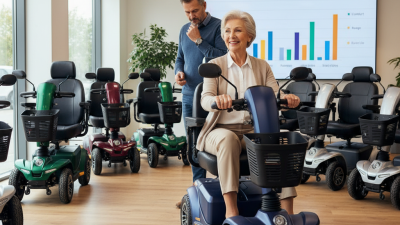
Choosing the best medical scooter starts with your daily routine, not a product label. A compact travel scooter suits short trips, narrow hallways, and occasional vehicle transport. A mid-size model offers more stability for shopping areas and longer pavements. Heavy-duty scooters may handle uneven ground better, but they need more storage space and wider turning areas.
Consider your body support, balance, legroom, and hand strength. Sit on the scooter before making a decision, if possible. Your knees should remain comfortably bent, and the controls should feel natural without stretching. Measure doorways, lift spaces, and your vehicle’s loading area. A scooter that fits your body but cannot enter your home is not a practical choice. It sounds obvious, yet this mistake happens often.
Tips: Ask a qualified occupational therapist or mobility specialist to assess your posture and route needs. Check the maximum user weight, turning radius, battery range, ground clearance, and charging time. Test braking on a gentle slope. Bring your usual shoes during the trial. Reflect honestly: do you need speed, or do you mainly need confidence? Weather protection, seat adjustment, and easy battery handling may matter more than extra power. A careful trial is usually more valuable than impressive specifications.
Typical maximum travel range by medical scooter category
Travel scooters are usually the lightest and easiest to transport, while three-wheel models offer a tighter turning radius. Four-wheel scooters generally provide greater stability, and heavy-duty scooters typically deliver the longest range for outdoor use.
The figures show representative maximum ranges commonly published for each scooter category. Actual range varies with battery size, rider weight, terrain, temperature, speed, and maintenance.
El Paso – Main Branch