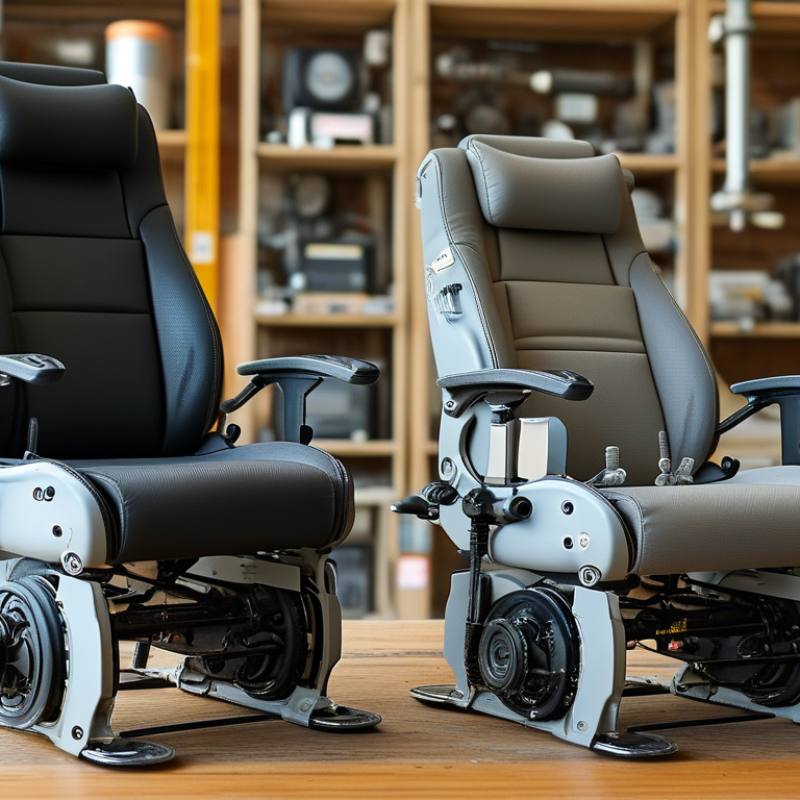
Finding reliable parts for lift chairs is not as simple as choosing the lowest online price. A replacement motor may look identical, yet its stroke length, voltage, connector, or mounting pattern can differ. One small mismatch may leave the chair stuck halfway, clicking loudly, or moving unevenly. That is why the search should begin with the chair’s brand, model number, serial label, and original part details.
Lift-chair repair specialist Michael Turner explains, “The right part is defined by compatibility, not appearance.” This practical point matters when comparing motors, hand controls, transformers, gearboxes, and remote cables. Reputable suppliers usually provide clear measurements, wiring information, warranty terms, and technical support. They should also explain whether a part is original, compatible, refurbished, or newly manufactured. Those details affect both performance and service life.
Experience helps here. A technician can check the actuator’s plug, count its pins, measure the shaft, and inspect the control box before ordering. A buyer can take close photographs of every connection. Small details matter. Still, even careful shoppers can make mistakes. Product listings sometimes use broad terms, and model numbers may be incomplete or hidden under the chair. That is why this guide compares trusted sourcing channels, supplier standards, compatibility checks, and warning signs. The goal is not merely to find parts for lift chairs. It is to find safe, suitable components that restore smooth movement without creating a second repair problem.
Where to Find the Best China Parts for Lift Chairs?
Understanding Lift Chair Parts and Compatibility Requirements
Reliable lift chair parts begin with accurate identification, not the lowest online price. Chinese manufacturers and specialized suppliers offer motors, hand controls, transformers, gears, cables, and mounting brackets. However, similar-looking parts may use different wiring or mounting patterns. Measure twice. Order once.
Check the chair’s model information, motor voltage, actuator stroke, connector shape, and weight capacity. Compare the old part with technical drawings and clear product photographs. A replacement motor may fit the frame but fail because its stroke length is incorrect. The hand control must also match the control box, including plug type and button layout. For power components, confirm input and output ratings carefully. Local electrical requirements still apply, even when the part is imported.
In repair work, I have found that a five-millimeter hole difference can delay installation. Small details matter. Ask suppliers for wiring diagrams, load-test records, material specifications, and inspection procedures. Confirm whether replacement parts are tested individually or only checked during packaging. That answer reveals a supplier’s reliability. I also prefer suppliers who explain limitations instead of promising universal compatibility. My own early assumption was wrong once: a stronger actuator did not improve the chair. It created extra stress on the frame. Compatibility includes safety, movement range, connector design, and structural support, not just physical fit. Keep photos, measurements, and purchase records for future maintenance.
Where to Find the Best China Parts for Lift Chairs?
Finding Reliable Chinese Manufacturers and Wholesale Suppliers
Reliable lift chair parts usually come from manufacturers with consistent production records, clear specifications, and responsive technical teams. Search through established industrial directories, verified trade platforms, and regional manufacturing networks. Do not judge a supplier by polished product photos alone. Ask for factory registration details, production capacity, quality certificates, and recent inspection records.
Request samples before placing a wholesale order. Check motor noise, actuator movement, cable connections, hand-control response, and frame fitting. A sample may work well but still reveal weak packaging or incomplete instructions. That matters during installation. Ask whether replacement parts remain available after the original order. Confirm minimum quantities, lead times, carton dimensions, and payment terms in writing.
Visit the factory when possible, or arrange a live video inspection of the assembly line. Look for incoming material checks, torque testing, electrical safety procedures, and final inspections. A trustworthy supplier should explain failures openly, not promise perfection. I have found that communication speed can change after an order is confirmed. This is easy to overlook. Use a detailed purchase agreement with drawings, tolerances, testing requirements, and acceptance standards. Independent pre-shipment inspections add another practical safeguard, especially for new suppliers.
Practical sourcing reference for evaluating lift-chair components, Chinese wholesale suppliers, production capability, quality controls, and export documentation. Specifications and order quantities are typical industry ranges and should be confirmed with each supplier.
| Lift Chair Part | Typical Specification | Common Materials | Typical Wholesale MOQ | Key Quality Checkpoints | Useful Supplier Documentation | Recommended Sourcing Priority |
|---|---|---|---|---|---|---|
| Electric Lift-Recline Actuator | 24 V DC input; approximately 4,000–6,000 N rated push force; stroke commonly 150–300 mm; limit switches integrated into the actuator. | Powder-coated steel tube, steel gears, copper windings, engineering plastic housing. | 100–300 units |
Load test
Noise level
Stroke accuracy
Cycle testing
Check rated load, abnormal-noise performance, thermal protection, and end-of-stroke operation. |
Product specification sheet, wiring diagram, load-test report, life-cycle test record, and incoming-material inspection procedure. | Very High |
| Electric Motor Assembly | Brushed DC motor commonly operating at 24 V; output and gearing should match the actuator's required speed, torque, and duty cycle. | Copper wire, laminated electrical steel, permanent magnets, steel shaft, reinforced polymer components. | 200–500 units |
Voltage tolerance
Torque
Temperature rise
Verify stall-current protection, operating temperature, rotational noise, and compatibility with the control system. |
Motor curve, rated-current data, insulation information, batch traceability, and test method. | Very High |
| Power Adapter or Transformer | Common output: 24 V DC; output current frequently falls within 2–5 A depending on the number and load of actuators. | Flame-retardant polymer enclosure, copper conductors, ferrite components, aluminum heat-dissipation parts. | 300–1,000 units |
Input/output test
Over-current protection
Insulation
Confirm plug type, input voltage range, leakage-current performance, short-circuit protection, and regional approval requirements. |
Electrical safety test report, declaration of conformity, plug configuration sheet, label artwork, and production test record. | Very High |
| Hand Control and Cable | Usually 2–6 buttons for lift, recline, return, and optional independent functions; cable lengths commonly range from 1.2–2.0 m. | ABS or PC-ABS housing, copper cable, PVC or TPE insulation, membrane or tactile switches. | 300–1,000 units |
Button life
Cable pull test
Connector fit
Test switch consistency, connector polarity, cable strain relief, tactile response, and compatibility with the control box. |
Pinout drawing, connector specification, button-life test result, cable material declaration, and approved artwork. | Very High |
| Control Box | Multi-channel 24 V controller; commonly supports two or more motor outputs and may include USB charging or battery-backup interfaces. | Flame-retardant polymer housing, printed circuit board, copper terminals, aluminum heat-sink elements. | 200–500 units |
Channel synchronization
Overload protection
EMC testing
Check connector layout, current limits, standby consumption, recovery after overload, and controller-to-handset compatibility. |
Circuit diagram, firmware or function description, EMC test report, electrical safety report, and final inspection checklist. | Very High |
| Steel Lift-Chair Frame | Welded steel structure designed for the chair's declared user weight; tube size and wall thickness vary by model and load requirement. | Mild steel or high-strength steel tubing, welded brackets, zinc-plated fasteners, powder-coated surface. | 50–200 frames |
Weld integrity
Static load
Dimensional accuracy
Inspect weld penetration, sharp edges, deformation, coating adhesion, mounting-hole position, and repeated-load durability. |
2D/3D drawings, material certificate, welding inspection record, coating specification, and load-test report. | Very High |
| Mechanism Brackets and Linkages | Precision-cut and formed steel parts supporting the lift, recline, and footrest movement; hole alignment is critical for smooth operation. | Stamped steel, laser-cut steel, zinc-plated pins, nylon or acetal bushings. | 300–1,000 sets |
Hole position
Bending angle
Friction
Check dimensional tolerance, burr removal, pin retention, corrosion resistance, and movement without binding. |
Engineering drawings, tolerance sheet, material grade, plating specification, and first-article inspection report. | High |
| Upholstery Foam and Cushion Set | Molded or cut polyurethane foam; density and firmness should be selected according to seat comfort, recovery, and declared user weight. | Flexible polyurethane foam, fiber wrap, polyester upholstery fabric, leather-like coated fabric, or genuine leather where specified. | 100–500 sets |
Density
Hardness
Compression recovery
Check foam density consistency, permanent compression, seam quality, colorfastness, odor, and fabric abrasion resistance. |
Foam test report, fabric composition, color approval sample, restricted-substance declaration, and approved golden sample. | High |
| Casters and Floor-Protecting Feet | Common caster diameters are approximately 40–75 mm; load rating must account for the chair weight, user weight, and movement conditions. | Steel or reinforced polymer bracket, polyurethane or nylon wheel, rubberized floor-contact surface. | 500–2,000 sets |
Load rating
Rolling resistance
Brake operation
Test wheel alignment, noise, surface marking, fastening strength, and performance on the intended floor types. |
Load test, wheel material declaration, dimensional drawing, brake test record, and packaging specification. | Medium |
| Battery Backup Module | Rechargeable battery pack commonly used for emergency return-to-seated operation; capacity and connector must match the control box. | Rechargeable battery cells, battery-management circuit, flame-retardant enclosure, copper contacts. | 300–1,000 units |
Capacity
Overcharge protection
Cycle life
Verify battery chemistry, charging time, storage conditions, connector polarity, transport classification, and protection against short circuits. |
Battery specification, safety test report, transport documentation where applicable, charging instructions, and recycling information. | High |
| Fasteners and Hardware Kit | Includes bolts, nuts, washers, retaining clips, pins, and cable-management hardware selected for the frame and mechanism. | Carbon steel, stainless steel, zinc-plated steel, nylon locking elements. | 1,000–5,000 kits |
Thread accuracy
Torque
Corrosion resistance
Check dimensions, plating thickness, locking performance, torque retention, and completeness of each kit. |
Hardware list, material grade, surface-treatment specification, torque requirements, and packing checklist. | Medium |
| Packaging and Export Protection | Double-wall corrugated cartons, molded foam or honeycomb protection, moisture control, and carton markings suitable for long-distance shipment. | Corrugated paperboard, molded pulp, EPE or EPS protection, polyethylene bags, desiccant where needed. | 100–500 cartons |
Drop test
Compression test
Moisture protection
Check carton strength, internal movement, stacking performance, barcode accuracy, and damage after simulated transport. |
Packing specification, carton dimensions, gross and net weight sheet, pallet plan, shipping marks, and packaging test record. | High |
Supplier evaluation note: Before placing a wholesale order, request a current factory audit, sample approval, production capacity statement, material traceability records, pre-shipment inspection, and destination-market compliance documents. Confirm all load ratings, electrical specifications, MOQ figures, lead times, and test standards in the purchase contract.
Quality should be judged beyond polished photos and a low quotation. Check steel thickness, weld consistency, motor noise, cable protection, and cycle-test results. A lift mechanism should move smoothly without sudden stops. Ask for inspection records from production batches, not only laboratory samples. Small details matter, especially when a chair carries an older user.
Certifications also need careful review. Request valid certificates, test reports, and product traceability documents for the exact part number. Manufacturing systems may follow ISO 9001, while electrical components may require market-specific safety and substance-control compliance. Do not accept a certificate with unclear scope or expired dates. I have seen buyers trust a familiar logo too quickly. That shortcut can become expensive.
Price comparisons should include tooling, packaging, shipping, replacement rates, and inspection fees. The cheapest unit is not always the lowest-cost choice. Minimum order sizes deserve equal attention. A supplier may offer 50 pieces for testing, but charge more for custom colors or connectors. Another may require 500 pieces, creating storage pressure. Negotiate a sample order with clear acceptance standards. Measure noise, stroke speed, load performance, and fit before scaling up. Leave room for mistakes. Real sourcing rarely follows the first quotation.
Where to Find the Best China Parts for Lift Chairs?
A reliable supplier should prove performance before discussing price. The UN World Social Report 2023 expects one in six people worldwide to be aged 65 or older by 2050. This trend increases demand for safer, quieter lift-chair mechanisms. Request working samples, not photographs. Test the motor under rated load. Measure lift speed, footrest alignment, noise, and emergency return performance. Keep a signed sample record.
Customization needs engineering discipline. Ask for drawings, material specifications, wiring diagrams, and tolerance limits. Suppliers should explain changes clearly. A small frame modification can affect balance, cable routing, or motor life. I have seen attractive prototypes fail after repeated cycles. That mistake is easy to underestimate. Use a pilot batch before full production, and document every approved change.
Warranty terms should state coverage periods, excluded parts, replacement procedures, and response times. Technical support matters after shipment. Require video troubleshooting, spare-part lists, installation guidance, and remote diagnostic support. The WHO Global Report on Health Equity for Persons with Disabilities estimates that 1.3 billion people experience significant disability. That figure makes dependable accessibility equipment more than a sales feature. Ask for test records and quality certificates, but verify them independently. A certificate alone cannot reveal inconsistent assembly. An honest supplier will discuss failure rates, corrective actions, and technical limits without vague promises.
Reliable lift chair parts begin with a verified supplier, not the lowest quotation. Check the supplier’s business details, factory address, production photos, and quality certificates. Ask for recent inspection records and a clear parts list. The list should include motors, hand controls, wiring, brackets, and compatible dimensions. Request a sample before placing a larger order. A sample can reveal loose connectors, noisy gears, or weak packaging. I once trusted photos too quickly. The delivered control cable was shorter than shown. That mistake was avoidable.
Safe shipping needs equal attention. Choose packaging with foam protection, moisture barriers, and strong outer cartons. Electrical parts should remain dry during long transit. Ask whether the shipment includes tracking, cargo insurance, and clear customs documents. Confirm the shipping terms in writing, including responsibility for damage and delivery delays. Air shipping may suit urgent samples, while sea freight can reduce larger-order costs. However, cheaper freight is not always safer. Check the carrier’s handling process and estimated delivery route.
Tips: Compare at least three suppliers, but do not compare price alone. Confirm voltage, connector type, load capacity, and installation drawings. Use video calls to inspect the workshop when possible. Keep every quotation, test report, and shipping agreement. If a supplier avoids specific answers, pause the order. A second inspection may feel expensive, but replacing unsafe parts costs more.
El Paso – Main Branch