Best Gait Belt for Safe Patient Transfers Worldwide?
In the realm of patient care, safe transfers are paramount. According to Dr. Linda Moore, a leading expert in rehabilitation science, "A gait belt is an essential tool that enhances safety during transfers." This statement echoes the sentiments of many healthcare professionals who recognize the importance of proper equipment.
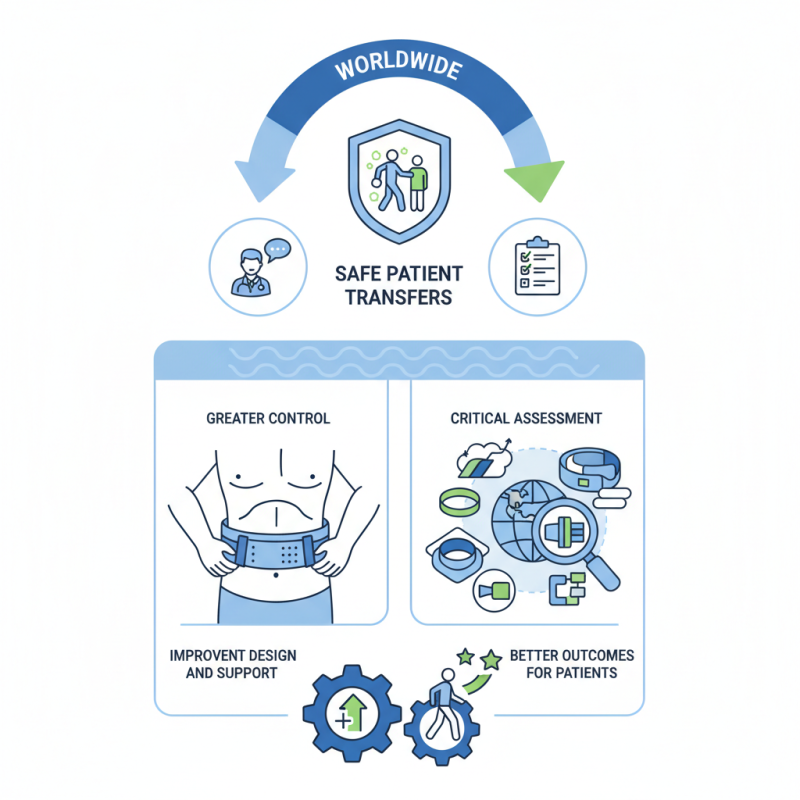
Gait belts are designed to provide caregivers with greater control during transfers. They offer stability and support, making the process smoother for both the patient and the caregiver. Despite their effectiveness, not all gait belts are created equal. Selecting the right one involves understanding the patient’s needs and the environment in which it will be used.
The global market offers various options, yet some belts may lack the necessary durability or features. It’s important to critically assess these products. A flexible belt with a secure grip can significantly reduce the risk of accidents. There’s always room for improvement in design and functionality. By prioritizing quality and safety, caregivers can ensure better outcomes for their patients.
Overview of Gait Belts and Their Importance in Patient Transfers
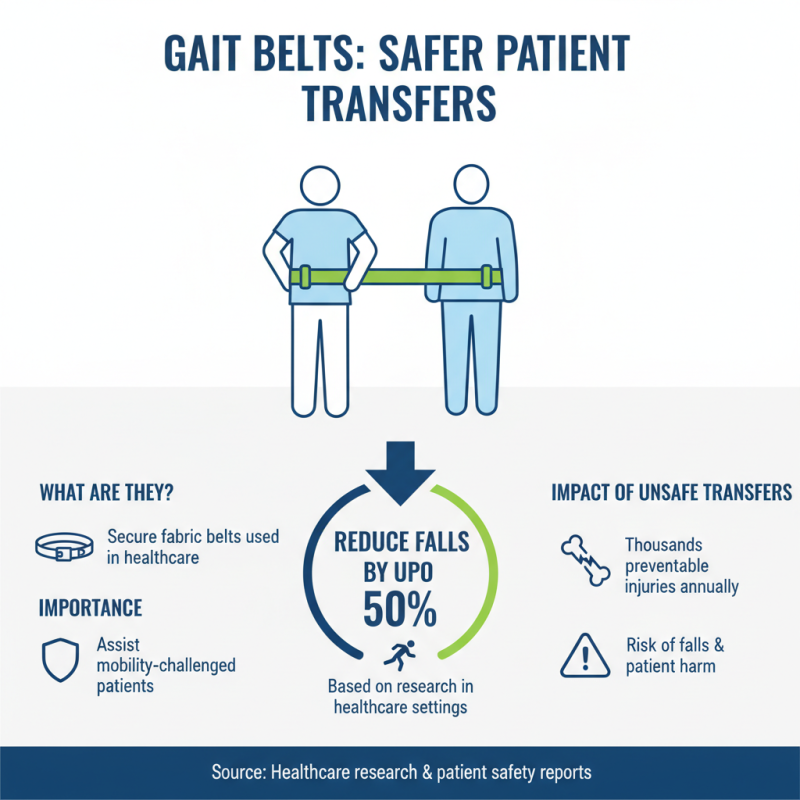
Gait belts are crucial tools in healthcare for safe patient transfers. They offer caregivers a secure way to assist patients who may struggle with mobility. Research shows that facilitating safe transfers can reduce the risk of falls by up to 50% in healthcare settings. Every year, thousands of patients experience preventable injuries during transfer activities.
When using a gait belt, caregivers can maintain better control and stability. Improper techniques in transfers may lead to injuries for both patients and caregivers. A survey by the National Institute for Occupational Safety and Health indicated that 30% of injuries among nursing staff relate to improper lifting techniques. With a gait belt, healthcare professionals harness the power of biomechanics to enable smoother transfers.
However, not every gait belt is created equal. Many factors, such as material durability and ease of use, impact their effectiveness. Inadequate training on how to use these belts can lead to unsafe practices. Understanding how to properly secure and adjust the belt is essential. Continuous education in the use of gait belts can improve patient and caregiver safety in various settings.
Key Features to Consider When Choosing Gait Belts
When selecting a gait belt, several key features must be evaluated.
Safety is paramount, as improper use of a gait belt can lead to injuries.
According to the Agency for Healthcare Research and Quality, nearly 20% of patient falls occur during transfers.
A sturdy, secure design allows caregivers to lift patients safely while reducing the risk of accidents.
Material and durability are also crucial.
High-quality belts should be made from heavy-duty fabric that can withstand frequent use.
The American Society of Safety Engineers emphasizes the need for materials that resist wear over time.
Look for belts that have reinforced stitching and strong buckles.
An uncomfortable belt can deter caregivers from using it effectively.
Length and size flexibility matter significantly.
A well-fitted belt supports proper lifting techniques and enhances overall control.
Research indicates that more than 30% of healthcare providers experience back pain due to improper lifting techniques.
By ensuring the gait belt fits well, users can maintain better posture and reduce the likelihood of injury.
Overall, consider these features carefully when choosing a gait belt for safe patient transfers.
Comparison of Different Types of Gait Belts Available Worldwide
When it comes to safe patient transfers, gait belts are essential tools. These belts help caregivers provide stability to patients who may struggle with mobility. Various types of gait belts offer differing features and benefits. Some are made from durable materials, while others focus on comfort. The choice of a gait belt can significantly influence the safety of patient handling.
The most common types include standard gait belts, padded belts, and those with handles. Standard gait belts provide basic support and are usually strong enough for most transfers. Padded belts enhance comfort, reducing the risk of skin irritation during use. Belts with multiple handles allow for better grip and control. However, not all patients may feel secure with every type, which requires caregivers to gauge individual needs.
Choosing the right gait belt demands consideration. Each patient's condition and preference should guide the selection process. Reassessing the chosen belt after regular use is critical. Caregivers may find that certain belts work well in theory but fall short in practice. This reflective practice can enhance the overall safety and comfort of patient transfers. Each transfer should feel secure while promoting the dignity of the patient.
Best Gait Belt for Safe Patient Transfers Worldwide
Best Practices for Using Gait Belts in Patient Transfers
Gait belts are essential tools in healthcare settings for patient transfers. Proper use of gait belts can reduce the risk of falls and injuries significantly. According to a report from the National Institute for Occupational Safety and Health (NIOSH), slips and falls account for nearly 29% of all workplace injuries in healthcare. Using a gait belt can improve safety and confidence for both caregivers and patients.
Training is crucial for anyone using a gait belt. A study from the American Journal of Nursing highlights that staff training can cut down on accidents by up to 25%. Caregivers must learn to position the belt correctly, ensuring it fits snugly around the patient’s waist without being restrictive. The belt should be used during transfers, repositioning, or walking to provide stability. It's surprisingly easy to overlook proper positioning, leading to possible accidents or discomfort.
Communication during patient transfers is equally important. Caregivers should clearly explain each step to the patient. This not only promotes trust but also encourages the patient’s involvement in the transfer process. Sometimes caregivers might not assess a patient’s ability accurately. Documenting the patient's past transfer experiences can guide better decision-making. By reflecting on these practices, healthcare professionals can strive for continuous improvement in patient care.
Safety Standards and Regulations for Gait Belts in Healthcare Settings
In healthcare settings, gait belts play a crucial role in ensuring patient safety during transfers. The National Institute for Occupational Safety and Health (NIOSH) emphasizes that proper lifting techniques reduce the risk of injury for both caregivers and patients. Current standards highlight the importance of using gait belts made from durable materials that meet specific safety regulations. Compliance with these standards not only promotes safety but also enhances workflow efficiency in medical environments.
Data from the Agency for Healthcare Research and Quality (AHRQ) indicate that improper lifting techniques contribute to 35% of worker injuries in healthcare. Gait belts designed for safety often include features like padded grips and adjustable sizes. Despite these advancements, frequent training is necessary. Many caregivers report feeling unsure about proper usage after initial training sessions.
An unexpected finding is that many facilities underutilize gait belts. Reviews show that under 40% of staff consistently use them during patient transfers. This gap suggests a need for ongoing education and reminders. Regular assessments can identify areas for improvement. Ensuring that every caregiver is comfortable with gait belt protocols could significantly reduce injury rates.
Best Gait Belt for Safe Patient Transfers Worldwide
| Gait Belt Type |
Material |
Weight Capacity |
Length |
Width |
Color Options |
Compliance Standards |
| Traditional Gait Belt |
Cotton |
300 lbs |
54 inches |
2 inches |
Blue, Green, Red |
ISO 13485 |
| Quick Release Gait Belt |
Nylon |
400 lbs |
60 inches |
3 inches |
Yellow, Black |
ASTM F703 |
| Padded Gait Belt |
Polyester |
250 lbs |
52 inches |
2.5 inches |
Pink, Gray |
EN 12195-2 |
| Glide Gait Belt |
Vinyl |
350 lbs |
58 inches |
2.5 inches |
Orange, Purple |
ISO 9001 |