2026 How to Choose the Best Bariatric Lift Chair for Your Needs?
Choosing the right bariatric lift chair is a critical decision. These chairs offer essential support for individuals needing assistance. A well-chosen bariatric lift chair can improve daily life significantly.
When searching for the perfect fit, consider weight capacity and dimensions. Look at materials for comfort and durability. A chair should be both functional and aesthetically pleasing. Think about where you will place it in your home.
However, it's easy to feel overwhelmed. Many options exist, each with unique features. Take your time with this process to avoid mistakes. Remember, this chair is an investment in your well-being. In the end, a thoughtful choice can enhance your quality of life.
Understanding Bariatric Lift Chairs: Key Features and Benefits
Bariatric lift chairs are designed for individuals with larger body types. They provide essential support and comfort. Key features include reinforced frames and higher weight capacities. Most models accommodate weights of up to 600 pounds. Stability is critical, especially during transportation.
Comfort is not just about size. Many chairs come with adjustable recline positions. This allows users to find their ideal sitting angle. Additional features such as heat and massage functions can enhance relaxation. However, these options can increase the complexity and price. It's essential to weigh these benefits against your needs.
The upholstery is another critical element to consider. Some materials are easier to clean than others. A fabric that resists stains can save time and effort. However, price and style may create a dilemma. Choosing a chair that matches your aesthetic without sacrificing functionality is not always easy. Reflecting on individual preferences and lifestyle is vital for making a good choice.
Assessing Your Needs: Weight Capacity and Size Considerations
Choosing the right bariatric lift chair begins with assessing your specific needs. Weight capacity is crucial. Many chairs can accommodate up to 600 pounds, but determining your weight is just part of the equation. Consider who will use the chair daily. Is it for yourself or a loved one? Understanding their mobility constraints helps narrow your choices.
Size considerations matter too. Measure the available space in your home. A chair too large can make movement difficult. Too small might not offer the support needed. Look for features like adjustable seat height and armrest width. These details matter for comfort and accessibility.
Think about additional features. Are you looking for a recline function? Some chairs offer various positioning options. Always consider ease of use. A complex mechanism can be challenging for users with limited mobility. Reflect on what blends comfort and functionality best for your situation.
Evaluating Lift Mechanisms: Types and Functionality Differences
When choosing a bariatric lift chair, understanding lift mechanisms is essential. Different types exist, such as single motor and dual motor options. A single motor chair lifts the entire seat while reclining, often causing a slight tilt. This might be uncomfortable for some users. On the other hand, dual motor chairs allow independent adjustments. This means sitting upright or reclining without affecting the chair’s position.
**Tip:** Consider your comfort level when choosing between these options. If you want precise control, a dual motor chair is the way to go.
Another important aspect is weight capacity. Not all chairs can support the same weight. Higher weight limits come with sturdier frames and specialized materials. However, some may find these options bulkier or less stylish. It's a trade-off between aesthetics and functionality.
**Tip:** Ensure you measure the space in your home. A stylish chair that doesn’t fit might lead to frustration. Ultimately, choosing a chair that meets your needs is crucial, even if it requires some compromises.
Materials and Comfort: What to Look For in Upholstery and Support
When choosing a bariatric lift chair, upholstery and support are key factors. The material should be durable and easy to clean. Look for fabrics that resist stains. Consider options like microfiber or vinyl. They offer a good balance of comfort and maintenance.
Comfort is essential. The chair should provide ample support for your body. Think about cushioning. A chair with adequate padding can enhance the overall experience. However, too much padding may feel too soft. Finding the right balance is critical.
Tips: Test the chair before purchasing. Sit in it for a while to gauge comfort. Check how easily it lifts and reclines. Don't hesitate to ask about fabric samples. Ensure they are breathable and feel nice against the skin. Each detail matters in your choice.
2026 Bariatric Lift Chair Comfort and Material Analysis
Budgeting for a Bariatric Lift Chair: Cost Factors and Options
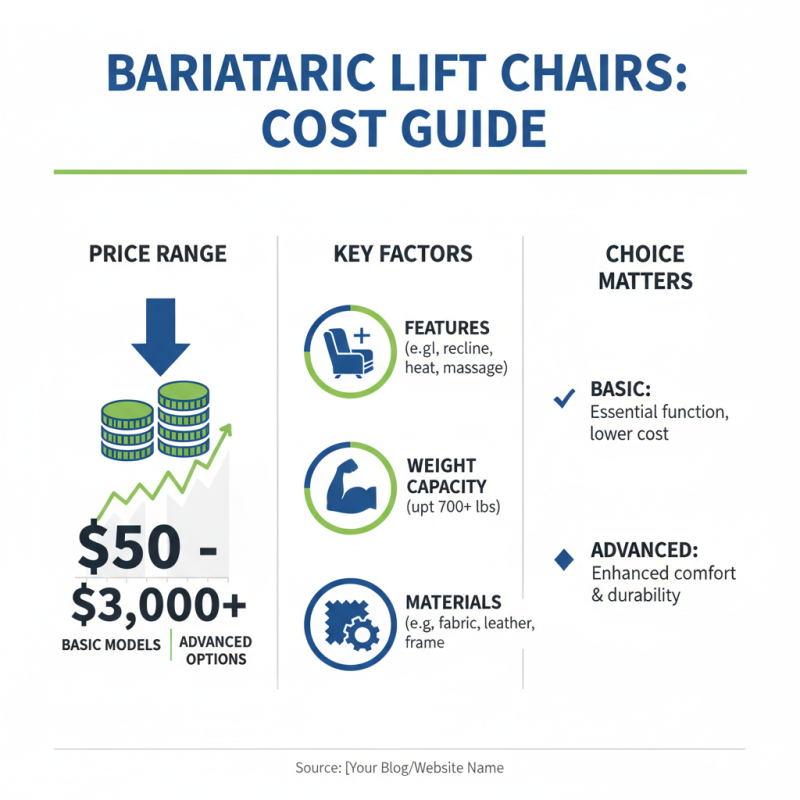
Costs for bariatric lift chairs can vary widely. Prices typically range from $500 to $3,000, influenced by features, weight capacity, and materials used. A basic model may suffice for some, but advanced options often offer enhanced comfort and durability.
Consider the weight capacity you need. Many chairs support between 300 to 600 pounds. Heavy-duty options can handle even more. When budgeting, prioritize features that match your needs. A chair with a higher weight limit may be costlier, but it ensures safety and longevity.
**Tips:**
Research online reviews to gauge reliability. A better chair may save money over time. Look for medical equipment grants to offset costs. Always check the warranty too, as it reflects the manufacturer’s confidence in their product.