How to Choose the Best Reclining Wheelchair for Comfort?
When it comes to mobility solutions, choosing the right Reclining Wheelchair is crucial for comfort. Dr. Lisa Harrington, a renowned expert in mobility aids, emphasizes that “a well-fitted wheelchair transforms quality of life.” Each individual has unique needs, making the selection process personal and sometimes overwhelming.
The right reclining wheelchair should cater to both physical support and personal preferences. Factors like seat width, backrest height, and reclining angle are essential. Users often find that not all wheelchairs provide equal comfort. Testing different options is important to ensure a proper fit.
While most manufacturers strive for the best designs, some models lack adequate support for all users. This gap in the market can lead to discomfort. It’s vital to seek reviews and recommendations when exploring options. Ultimately, the ideal reclining wheelchair should empower users, offering both comfort and independence.
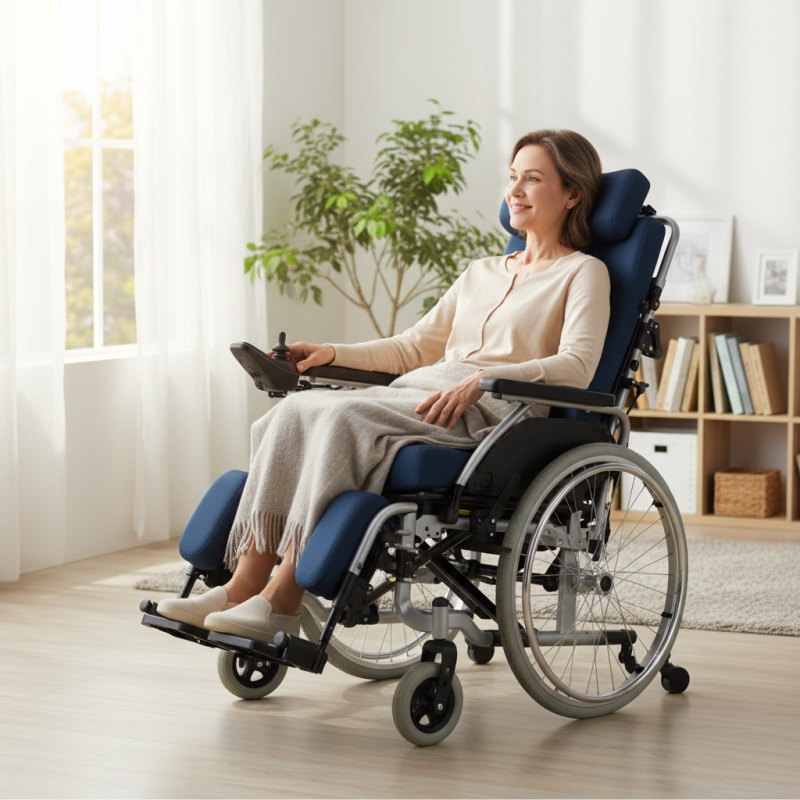
Understanding the Importance of Comfort in Reclining Wheelchairs
When considering a reclining wheelchair, comfort is paramount. Many users spend hours each day in their wheelchair. Lack of comfort can lead to pressure sores and fatigue. This is why choosing a model that promotes comfort is crucial.
Evaluate the seating material and design. Soft, breathable fabrics can enhance your experience. Look for wheelchairs with adjustable backrests. This allows users to find their optimal position. A well-padded seat is important too. However, some people find overly plush seats can make it hard to transfer.
Additionally, test the reclining feature properly. Users should find it easy to adjust, even without assistance. Not all reclining mechanisms work the same. Some require too much effort, while others may be too stiff. Reflect on your own needs and preferences. Comfort is subjective; what feels good for one may not for another. Listen to your body and adjust your choice accordingly.
Comfort Assessment in Reclining Wheelchairs
Key Features to Consider When Selecting a Reclining Wheelchair
When selecting a reclining wheelchair, comfort should be a top priority. Key features play a significant role in ensuring user satisfaction. Consider aspects such as lumbar support, seat width, and cushion material. Studies show that inadequate lumbar support can lead to discomfort during prolonged use, affecting overall well-being. A well-designed lumbar area can significantly reduce back pain.
The seat width is equally important. A narrow seat may cause pressure sores, while an overly wide design can lead to instability. According to a report by the Rehabilitation Engineering and Assistive Technology Society, nearly 26% of wheelchair users experience discomfort directly related to seat size. Additionally, the material of the cushion must be suitable for daily use. Memory foam offers superior comfort, while gel-based options provide excellent pressure relief.
Don’t overlook the reclining angle. A chair that reclines too much might impair safety. Wheelchairs with adjustable angles allow users to find a comfortable position. Always test the reclining mechanism; it should be smooth and easy to operate. Remember that comfort is subjective, and what works for one person may not work for another. Ensure adequate testing to find the perfect match.
Assessing Your Individual Needs for Optimal Comfort
When choosing a reclining wheelchair, understanding your individual needs is crucial for achieving comfort. Think about your daily routine and the places you frequently visit. Do you spend long hours sitting? If so, you will want additional cushioning in areas like the back and seat. Always consider thigh support and how the wheelchair's design impacts circulation. Pay attention to how different materials feel against your skin.
Also, consider the ability to adjust the wheelchair. Being able to recline or elevate your legs can enhance comfort considerably. It’s important to test various angles. You might discover that a small adjustment makes a big difference in comfort. But, sometimes, options can feel complicated. Not every adjustment will suit everyone perfectly.
Personal preferences play a significant role, too. For instance, some people prefer firmer seats, while others might need softer ones. Don’t be afraid to think about what feels best for you. It’s okay if you don’t know right away; comfort can be subjective and often takes time to define. Reflect on your choices and prioritize what makes you feel at ease.
Comparing Different Brands and Models for Quality and Support
When selecting a reclining wheelchair, consider the differences among various models. Each brand offers unique features. Some might have adjustable footrests, while others prioritize cushioned seating. Quality is essential for comfort and durability.
Look into the materials used in each wheelchair. Some may feature breathable fabrics, enhancing overall comfort. Others could utilize rigid frames that may feel cumbersome over time. User reviews often highlight these elements, helping you gauge long-term satisfaction.
Pay attention to weight limits and dimensions. A chair that fits poorly can create discomfort. Reflection on personal needs is vital. Consider health conditions impacting daily use. Knowing what works best for you can ease the decision-making process.
How to Choose the Best Reclining Wheelchair for Comfort?
| Model | Weight Capacity | Seat Width | Reclining Angle | Price Range |
| Model A | 300 lbs | 18 inches | 30 degrees | $500 - $700 |
| Model B | 250 lbs | 20 inches | 45 degrees | $600 - $800 |
| Model C | 350 lbs | 22 inches | 35 degrees | $700 - $900 |
| Model D | 400 lbs | 24 inches | 50 degrees | $800 - $1000 |
Tips for Testing and Evaluating Your Reclining Wheelchair Options
When evaluating reclining wheelchair options, comfort is key. Start by assessing the seat width and depth. A chair too narrow can cause discomfort. Try sitting in different models for a better feel. Ensure the seat material is breathable. You want something that feels good against your skin.
Don’t overlook the backrest. It should be adjustable to support your posture. Reclining features need to be smooth and easy to manage. Test how well you can recline while sitting. Does it lock securely? Pay attention to armrests, too. They should be at a comfortable height. If they aren't adjustable, it may lead to strain.
Take your time during the selection process. Ask questions and seek advice. Real-life testing helps. Move around in the chair; this shows you its maneuverability. Keep your needs and lifestyle in mind. Reflect on what feels right. Comfort is personal, and not all features work for everyone. What seems perfect for one person may not fit you.


