How to Choose Between Mobility Scooters and Wheelchairs?
Choosing between mobility scooters and wheelchairs can be a daunting task. Both options serve the essential purpose of aiding mobility, but they cater to different needs and lifestyles. Dr. Emily Parker, a leading expert in adaptive mobility solutions, states, “Understanding the unique requirements of users is key to making the right choice.”
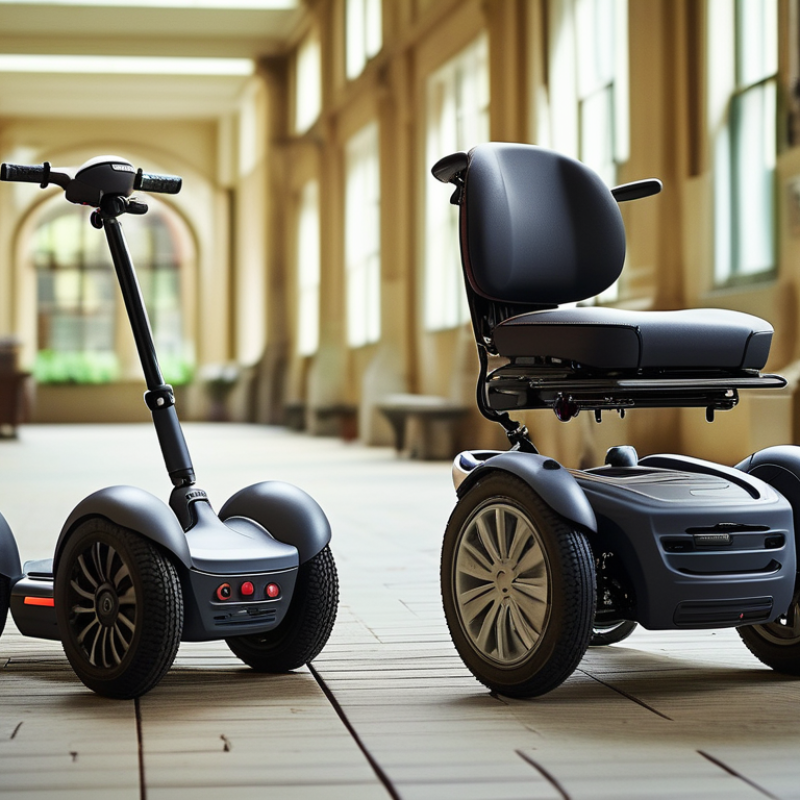
Mobility scooters offer greater independence and ease of use for outdoor environments. They often include features like larger wheels and storage options. Conversely, wheelchairs are generally more practical for indoor navigation. Factors such as space, comfort, and daily activities greatly influence the decision.
For some, the choice is straightforward; for others, it may provoke doubt and indecision. Personal preferences, health conditions, and lifestyle should guide the selection process. It's crucial to consider these aspects carefully to ensure optimal mobility and independence in daily life.
Understanding Mobility Scooters and Wheelchairs
When choosing mobility solutions, understanding the differences between mobility scooters and wheelchairs is essential. Mobility scooters provide ease of transport and independence. They are ideal for outdoor use and longer distances. According to the National Institute on Disability, nearly 3.6 million adults in the U.S. rely on mobility aids. This statistic highlights the importance of informed choices.
Wheelchairs, on the other hand, offer versatility and stability in various environments. Manual wheelchairs require arm strength, while powered versions provide greater mobility without physical exertion. The choice may depend on individual needs, such as physical condition and daily activities. Some users prefer the compact design of wheelchairs for indoor navigation, while others need the speed and range of scooters for errands.
Tip: When considering your mobility needs, evaluate your lifestyle. If you frequently travel or engage in outdoor activities, a scooter might be beneficial. However, if you navigate tight spaces, a wheelchair may suit you better. Engaging with healthcare professionals can provide tailored advice based on your specific needs. Remember, the right choice can significantly enhance your quality of life.
Assessing Individual Mobility Needs and Lifestyle Factors
Choosing between mobility scooters and wheelchairs can be challenging. Assessing individual mobility needs and lifestyle factors is crucial. Consider daily activities. Do you frequently navigate busy areas? A scooter may be suitable for outdoor use. However, if you often encounter narrow spaces or require indoor mobility, a wheelchair might be more appropriate.
When evaluating lifestyle factors, think about transport options. Are you using public transport? Some scooters may not fit easily on buses or trains. Evaluate your home environment, too. Is your space suited for maneuvering a scooter? Compact wheelchairs can fit through doorways, making them more convenient for smaller areas.
**Tips:**
- Test both options in environments where you plan to use them.
- Analyze long-term needs, not just current mobility limitations.
- Speak with healthcare professionals for personalized advice.
Comparing Features and Benefits of Scooters and Wheelchairs
Mobility scooters and wheelchairs serve distinct needs. Wheelchairs are often manually operated or powered. They are designed for users who have significant mobility limitations. According to a 2022 survey by the National Mobility Equipment Dealers Association, nearly 70% of wheelchair users find them suitable for indoor use.
Mobility scooters offer more flexibility for outdoor activities. With their larger wheels and better speed, they can navigate uneven terrain. A study published in the Journal of Rehabilitation Research highlights that 60% of scooter users feel they have greater independence. However, scooters are bulkier and can be harder to transport.
When choosing between them, consider your environment. If you mostly navigate tight spaces, a wheelchair might be more suitable. For those who need to travel longer distances, a scooter could be ideal.
**Tips**: Test out both options in real-life scenarios. Check the weight capacity and seating comfort. Consider storage options too. Overlooked features can make a significant difference. Remember, the choice reflects your lifestyle needs and mobility goals.
How to Choose Between Mobility Scooters and Wheelchairs? - Comparing Features and Benefits of Scooters and Wheelchairs
| Feature |
Mobility Scooters |
Wheelchairs |
| Portability |
Generally heavier, some models fold for transport |
Lightweight and many can be folded for easy transport |
| Speed |
Up to 8 mph |
Typically less than 5 mph |
| Battery Life |
Up to 30 miles on a full charge |
Not applicable; no battery |
| Comfort |
Generally more comfortable with larger seats |
Varies widely; can have padded seats |
| Terrain Capability |
Good for outdoor use, can handle uneven surfaces |
Best on flat surfaces, limited outdoor use |
| Cost |
Typically ranges from $1,200 to $3,000 |
Ranges from $200 to $5,000 depending on type |
| User Control |
Steering tiller for easy maneuverability |
Controlled by hand propulsion or electric power |
Evaluating Cost, Maintenance, and Accessibility Options
When deciding between mobility scooters and wheelchairs, consider the cost and maintenance intricacies. Mobility scooters typically have a higher upfront cost but may require less frequent maintenance. Wheelchairs, especially manual ones, can be more budget-friendly but might need regular upkeep.
Tips: Research the total cost of ownership. Look beyond the purchase price. Think about repairs and replacements over time.
Next, assess the accessibility of both options. Mobility scooters often have better range and speed, making them suitable for longer distances. In contrast, wheelchairs excel in tight spaces, especially indoors.
Tips: Try both options in real-life settings. See how they fit into your daily routine. Consider your living environment, too.
Ultimately, weighing all aspects helps make the right choice. The right option should enhance mobility and independence. Remember, personal comfort is essential in this decision.
Mobility Devices: Cost, Maintenance, and Accessibility Comparison
Making an Informed Decision: Personal Preferences and Trials
When choosing between mobility scooters and wheelchairs, personal preferences play a critical role. Many users prioritize comfort and ease of use. Research shows that over 80% of users value the ability to navigate various terrains. This preference can greatly affect the choice of mobility device. For those who enjoy outdoor activities, a scooter may provide better maneuverability and stability.
Conducting trials is essential before making a decision. Statistics indicate that nearly 60% of users who test different devices report a significant increase in satisfaction. Trying both options can highlight which features are most important. For instance, some may find a wheelchair more supportive, while others appreciate the speed of a scooter.
Consideration must also be given to daily habits. Accessibility to public transport and storage space at home can sway the choice. A recent study revealed that 30% of users discontinued use of their device due to inadequate storage solutions. Understanding personal lifestyle needs is vital. Ultimately, an informed decision requires firsthand experience and reflection on individual circumstances.