How to Choose the Best Medical Scooter for Your Needs?
Choosing the right medical scooter is crucial for enhancing mobility and independence. According to a report from the National Institute on Disability, around 7.3 million people in the U.S. require mobility aids, including medical scooters. This statistic highlights the importance of selecting a scooter that meets personal needs and lifestyle.
When evaluating options, factors such as weight capacity, battery life, and ease of use must be considered. A study published in the Journal of Rehabilitation Research notes that over 30% of users are unsatisfied with their scooters due to poor fit or functionality. This dissatisfaction underscores the importance of thorough research and testing.
It’s vital to consult with healthcare professionals. They can offer insights into specific needs based on medical conditions. Also, many users forget to consider storage space or portability. Overall, understanding personal requirements and available features is essential for making an informed decision about a medical scooter.
Understanding the Different Types of Medical Scooters Available
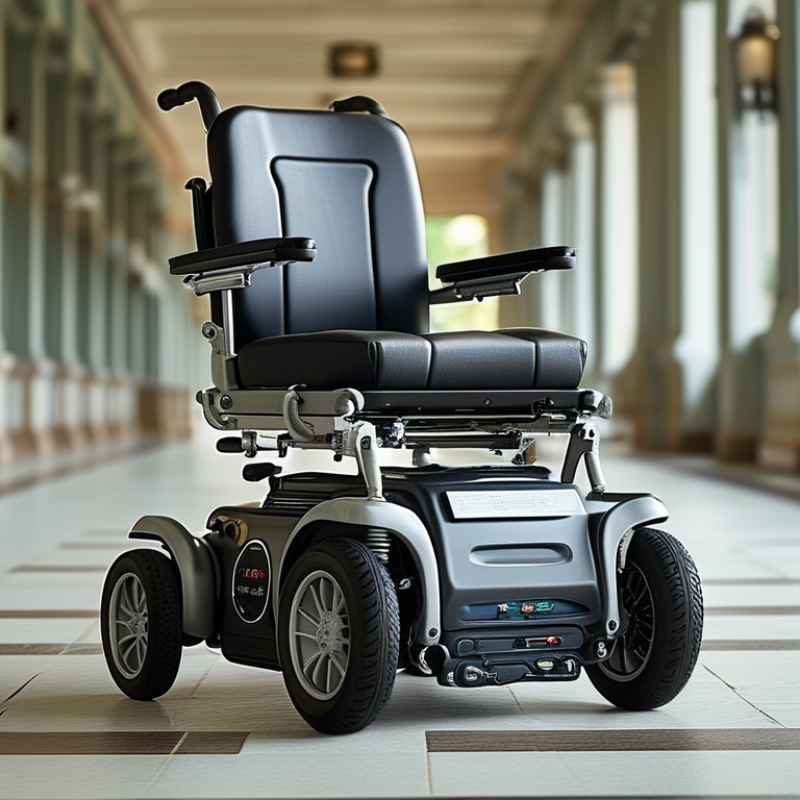
When considering a medical scooter, it's crucial to understand the various types available. These scooters are designed for different needs and lifestyles. Some scooters are compact, ideal for indoor use, while others are robust for outdoor terrains. The right choice can significantly enhance mobility and independence.
A report from the National Institutes of Health states that approximately 12 million Americans rely on assistive devices like scooters. Among these, the three main types are travel scooters, full-size scooters, and heavy-duty scooters. Travel scooters weigh less, making them easy to disassemble. Full-size scooters offer comfort with larger seats and can hold more weight. Heavy-duty scooters are built for more challenging environments and can support higher weight limits.
It's important to note that user experience varies widely. Some may find travel scooters less stable on uneven surfaces. Meanwhile, full-size scooters can be harder to transport. Each type has its pros and cons, which complicates the choice for users. Understanding individual requirements and seeking expert advice can lead to better decision-making. Remember, the best medical scooter for you combines functionality with your personal lifestyle.
How to Choose the Best Medical Scooter for Your Needs?
| Type of Scooter |
Weight Capacity |
Range per Charge |
Top Speed |
Turn Radius |
Ideal for |
| Portable Scooter |
300 lbs |
10 miles |
4 mph |
32" |
Traveling |
| Three-Wheel Scooter |
250 lbs |
15 miles |
5 mph |
36" |
Indoor Use |
| Four-Wheel Scooter |
400 lbs |
25 miles |
7 mph |
50" |
Outdoor Use |
| Luxury Scooter |
500 lbs |
30 miles |
8 mph |
55" |
Comfort & Style |
Assessing Your Personal Mobility Needs and Lifestyle Requirements
Choosing the right medical scooter requires careful assessment of your mobility needs. Consider how often you will use the scooter. Will it be for short trips around the house, or will it assist in longer outings? Think about your daily routine. If simple tasks like grocery shopping or visiting friends are important, a portable scooter may suit you best.
Lifestyle also plays a role in this decision. If you frequently navigate uneven terrain, you might need a more robust scooter. Evaluate mobility limitations too. For some, tight spaces can be challenging. Determining whether the scooter fits through doorways or can maneuver in narrow hallways is vital.
Don’t overlook comfort aspects. Is the seat cushioned enough for extended use? Factors like battery life are essential too. How often will you need to recharge? Each detail matters. Reflecting on these elements can lead to a better choice, ensuring the scooter aligns with your life.
Key Features to Consider When Choosing a Medical Scooter
When selecting a medical scooter, key features are vital for ensuring your comfort and mobility.
Weight capacity is crucial. It must accommodate your body weight and any additional items you may carry.
Look for scooters that support your needs while providing stability.
Driving range is another important factor. Consider how far you will typically travel in one outing.
A scooter with a longer range can enhance your independence.
Check the battery type as well. Lithium batteries often offer better performance.
Think about the terrain you’ll navigate. If you plan to drive on uneven surfaces,
choose a scooter with sturdy tires and a robust frame.
Convenience features can also impact your experience.
Adjustable seats add comfort for longer rides.
A swivel seat can ease entry and exit. Storage options like baskets can be helpful for carrying personal items.
Reflect on your daily routine and how a scooter fits into it. Each choice should address your specific lifestyle, keeping your needs front and center.
Evaluating Budget and Financial Assistance Options for Scooters
When choosing a medical scooter, your budget plays a crucial role. It's essential to determine how much you can comfortably spend. Medical scooters vary widely in price, with options available for different financial situations. You might find scooters costing anywhere from a few hundred to several thousand dollars. Assessing your financial capacity will help narrow down your choices.
Exploring financial assistance options is vital. Some organizations provide grants or low-interest loans. Many insurance plans might cover part of the cost too. It’s important to check with your insurance provider. Additionally, local charities or non-profits may offer programs to assist individuals in need. Applying for these resources could ease the financial burden significantly.
Keep in mind that not all scooters will meet your needs. It’s wise to factor in maintenance costs, which can add up. Remember, the cheapest option might not always provide the best value. Exercising caution in your selection process can prevent future expenses and frustrations. Being informed empowers you to make better choices for your mobility needs.
Where to Find Reliable Vendors and Test Scooters Before Purchase
Finding a reliable vendor for a medical scooter can significantly affect your mobility experience. Start by exploring local medical supply stores. These establishments often have staff trained to assess your needs. A survey by the National Association of Independent Mobility Dealers indicates that 70% of customers prefer trying scooters in person. Hands-on testing can help you feel the size, weight, and handling of various models.
Online research is another crucial step. Look for reputable websites that provide user reviews and comparison tools. Seek out platforms that aggregate ratings from verified buyers. According to the National Institutes of Health, user feedback plays a key role in determining product reliability and satisfaction. However, be cautious. Not all online reviews are genuine, and some may exaggerate benefits. Always cross-reference multiple sources to ensure you’re making an informed decision.
Visiting trade shows can offer further opportunities. Many events feature a range of models, allowing for direct comparison. Bringing a family member or caregiver can provide additional perspectives. However, remember that not every vendor will have the expertise you need. Asking specific questions about warranty and service options can reveal the level of support you can expect after your purchase.