How to Choose the Right Power Scooter for Your Needs?
Choosing the right power scooter can be overwhelming. With so many options available, how do you know which one suits your needs best? A power scooter is not just a vehicle; it’s a means to regain independence and enhance mobility.
When selecting a power scooter, consider your lifestyle. Think about where you will use it most. Do you need it for indoor use, outdoor adventures, or both? Each scenario requires different features and specifications. You should also assess your weight capacity needs. Not all scooters have the same strength.
Investing in a power scooter is about your freedom and comfort. Research is vital. Read user reviews and consult with experts. Each scooter has its own set of pros and cons. It’s essential to reflect on your choices carefully. Your satisfaction depends on making an informed decision.
Understanding Different Types of Power Scooters: Features and Benefits
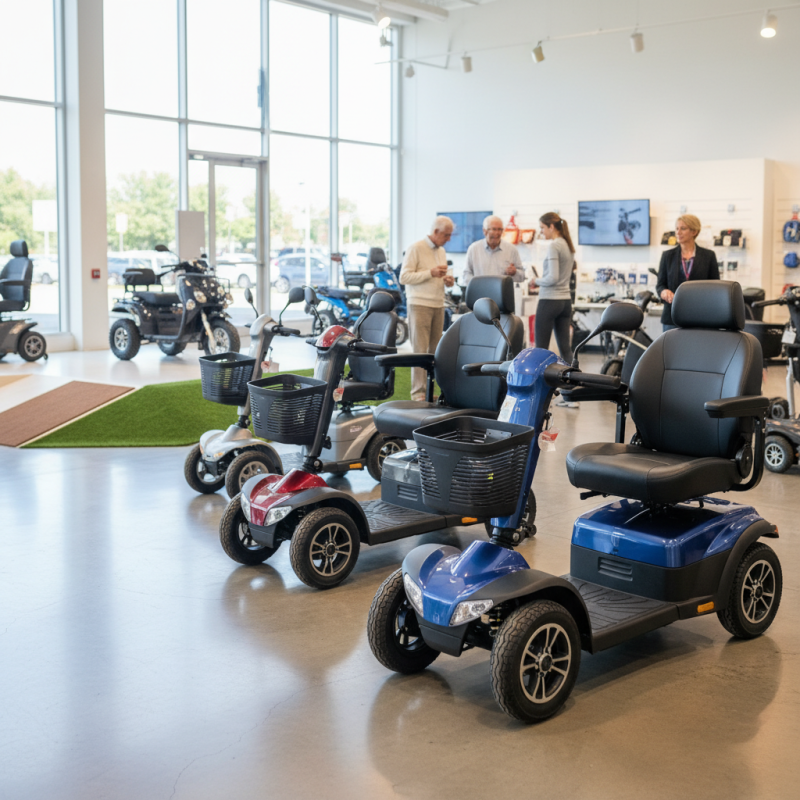
When selecting a power scooter, understanding various types is crucial. Power scooters come in multiple designs, each serving different needs. For instance, portable scooters are lightweight and easy to transport, while heavy-duty models support higher weight limits and rough terrain. According to the National Mobility Equipment Dealers Association, around 60% of users prefer scooters that offer both indoor and outdoor capabilities.
Tip: Assess your daily activities. Consider where you will use the scooter most frequently. Rough surfaces require sturdier wheels and suspension.
Features vary significantly among models. Some scooters include swivel seats for easy access, while others boast long battery life, lasting up to 30 miles on a single charge. A recent industry report indicated that users favor scooters with enhanced safety features, like anti-tip technology.
Tip: Always test drive different models. Personal comfort and ease of use are vital. Stability and control can feel different in various designs. Pay attention to details, like the throttle and steering responsiveness.
Assessing Your Mobility Needs: Weight Capacity and Range Considerations
Choosing the right power scooter is essential for independent mobility. When assessing your needs,
weight capacity is a crucial factor. Each model has a specific weight limit. Be sure to check this carefully.
A scooter that cannot support your weight may pose safety risks. It's important to consider not only your current weight but any potential changes in the future.
Range is another vital consideration. The distance a scooter can travel on a single charge varies by model.
If you plan to use it for longer outings, opt for a scooter with a higher range. Consider your regular travel routes. Are they hilly or flat?
Hilly areas may require more powerful motors for adequate support. This can affect both your comfort and battery life.
Reflecting on your mobility habits can reveal important insights. Do you often travel alone or with a companion?
Take note of how you will use the scooter in different environments. Each decision, from weight capacity to
range, impacts your overall experience.
Use this information wisely to make a more informed choice.
Evaluating Battery Life and Charging Options in Power Scooters
When selecting a power scooter, battery life and charging options are crucial. A scooter with a long-lasting battery allows for extended use without interruption. Look for models that provide at least 20 miles of range. This ensures you can go about your day without worrying about recharging. However, keep in mind that battery performance can fluctuate based on weight and terrain.
Charging options also matter. Some scooters require overnight charging, while others can recharge in a few hours. Fast charging can be a game-changer for those with busy lives. Evaluate if you have access to a convenient charging station at home or in your community. A scooter’s weight can also affect how easily you can manage it when charging. Heavier models might be harder to lift onto a charging dock.
Consider how often you plan to use the scooter. Will it be daily? Weekly? A scooter with a larger battery might seem appealing but remember, it can also add weight. Some users report frustration with batteries that degrade faster than expected. It is essential to read user reviews and manufacturer details about battery warranties. Choose wisely to ensure your scooter meets your lifestyle needs while being reliable in performance.
How to Choose the Right Power Scooter for Your Needs? - Evaluating Battery Life and Charging Options in Power Scooters
| Scooter Model |
Battery Life (Miles) |
Charging Time (Hours) |
Weight Capacity (lbs) |
Number of Wheels |
Foldable |
| Model A |
15 |
4 |
300 |
4 |
Yes |
| Model B |
20 |
6 |
250 |
3 |
No |
| Model C |
25 |
5 |
350 |
4 |
Yes |
| Model D |
30 |
8 |
400 |
4 |
Yes |
Key Safety Features: Braking Systems and Stability Ratings Explained
Choosing the right power scooter involves understanding key safety features, especially braking systems and stability ratings. A reliable braking system is crucial. Look for scooters with multiple braking options. Electronic brakes often provide quick stops, but manual ones offer redundancy. Check the distance needed for a full stop; shorter distances enhance safety.
Stability ratings determine how well a scooter handles various terrains. A wider wheelbase generally improves stability. If the scooter tips easily in turns, reconsider your choice. Weight distribution plays a role too. Ensure your weight aligns with the scooter's design to avoid accidents.
Tips: Test your scooter in a safe area. It helps you understand its balance and braking response. Ask experts at local shops for guidance; their insights can be invaluable. Don't overlook the importance of good suspension. It greatly affects overall comfort and safety.
Comparing Costs: Analyzing Price Ranges and Warranty Information
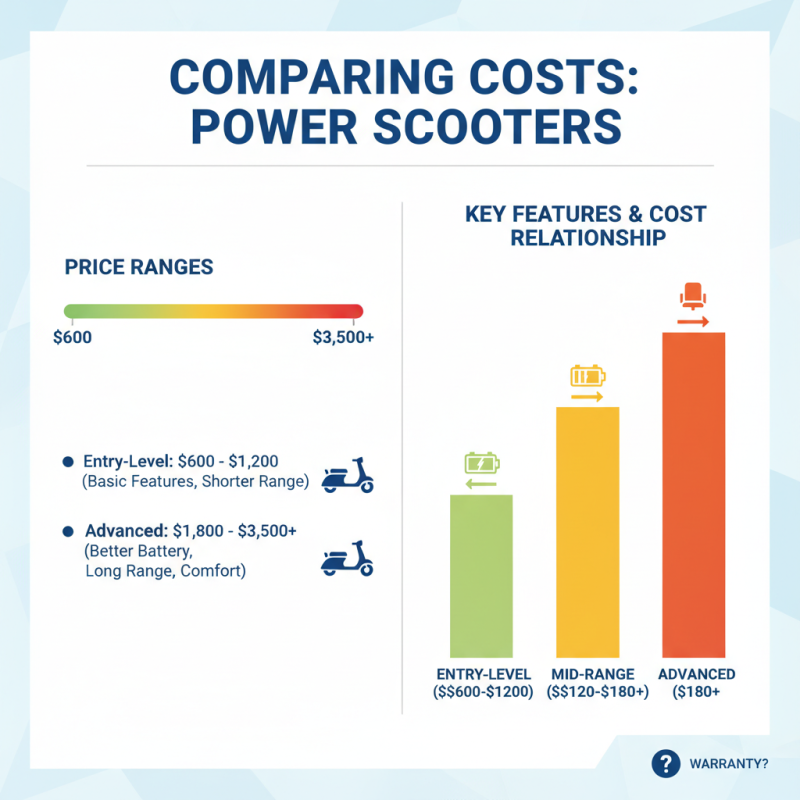
When analyzing costs for power scooters, several factors come into play. The price range typically spans from $600 to $3,500, based on features and specifications. Entry-level models are usually less expensive, yet they might lack essential capabilities. More advanced scooters often include better batteries, longer ranges, and enhanced comfort. The range rises significantly for models incorporating cutting-edge technology.
Warranty information is equally crucial. Many power scooters come with warranties ranging from one to three years. A report by the National Mobility Equipment Dealers Association (NMEDA) highlights that a strong warranty indicates reliability. Consumers often overlook this aspect, yet a good warranty can protect your investment. Consider scooter maintenance costs, as these can add up over time. Ensure to compare various options before making a decision.
Understanding pricing and warranty can seem overwhelming. Some scooters offer great initial pricing but may incur hidden costs later. Research shows that users should account for maintenance and potential repair expenses when budgeting. This reveals the importance of an informed choice. Making a hasty decision may lead to regrets later, emphasizing the necessity for thorough evaluation.