What is Defatted Soy Flour and How is it Used Globally?
Defatted Soy Flour has gained attention as a versatile ingredient in various cuisines worldwide. This product is made from soybeans, where the oil is removed, leaving a protein-rich flour. This process not only enhances the flour's nutritional profile but also makes it an excellent option for those seeking plant-based protein sources.
Globally, Defatted Soy Flour is used in diverse applications, from baking to meat alternatives. Its ability to absorb moisture and blend well with other ingredients makes it a staple in many recipes. Many health-conscious consumers appreciate its high protein and fiber content. However, reliance on this ingredient may not fit everyone's dietary needs. Understanding how to incorporate Defatted Soy Flour effectively can lead to healthier meals.
As we explore Defatted Soy Flour, it’s important to consider who benefits and who might not. Its widespread use doesn’t negate the necessity for awareness of dietary restrictions and allergies. Adopting this ingredient can transform recipes, but knowledge of its properties and potential limitations is crucial for optimal results.
Definition and Composition of Defatted Soy Flour
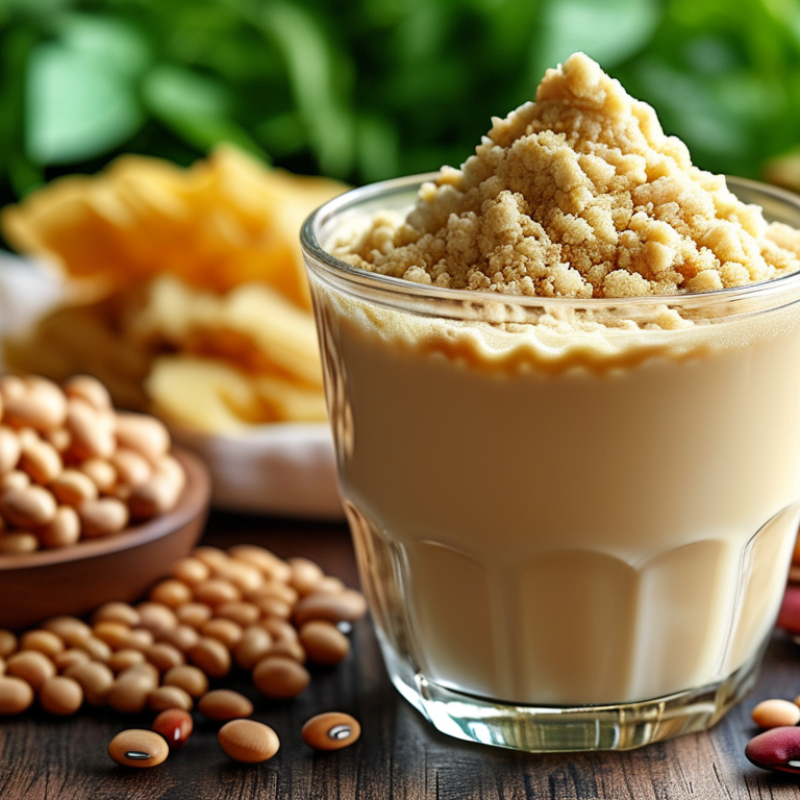
Defatted soy flour is made by removing most of the oil from soybeans. This process retains a high protein content while reducing fat. The result is a versatile product rich in essential amino acids. Its composition typically includes about 50 percent protein, making it a popular choice in various culinary applications.
Globally, defatted soy flour is used in several industries. In food production, it acts as a protein supplement in baked goods and meat alternatives. This flour enhances the nutritional profile of recipes without altering flavors significantly. Some people find it tricky to use for specific textures. Experimentation is often required to achieve desired results.
In addition to food applications, defatted soy flour serves in non-food areas like animal feed. Its high protein content provides valuable nutrition for livestock. However, concerns about allergens arise. Users should be mindful of possible soy allergies in both humans and animals. This complexity invites further exploration into best practices for incorporating soy products safely.
Historical Background and Development of Soy Flour Usage
Defatted soy flour has ancient roots. Its origins date back to Asian civilizations that recognized the nutritional value of soybeans. By the 20th century, scientists began exploring its industrial applications. In the 1950s, defatted soy flour became popular in the United States as a protein supplement. Today, it plays a significant role in various food products, contributing to the global focus on health and nutrition.
Data from the Food and Agriculture Organization (FAO) indicates that global soy production reached 353 million tons in 2021. A significant portion is transformed into soy flour, reflecting increasing consumer demand for plant-based proteins. In regions such as Europe and North America, defatted soy flour is a common ingredient in baked goods, meat substitutes, and snacks. It enhances texture and boosts protein content effectively.
Despite its advantages, there are challenges. Some consumers are skeptical about its taste and texture. Research shows a need for better product formulation to address these concerns. Additionally, quality control in production remains crucial. With proper advancements, defatted soy flour's acceptance could grow, benefiting both consumers and producers alike. The journey of this ingredient continues to evolve, shaping the future of food.
Global Usage of Defatted Soy Flour Over the Years
Global Culinary Applications of Defatted Soy Flour
Defatted soy flour is gaining popularity in culinary practices worldwide. It is a versatile ingredient with a high protein content, making it an excellent addition to various dishes. According to recent reports, the global market for soy flour is expected to reach around $1 billion by 2026, indicating its growing significance in food applications.
In Asia, defatted soy flour is often utilized in traditional recipes. For instance, it is commonly added to dumplings and tofu to enhance texture and nutritional value. In Europe, bakers incorporate it into bread and pastries to improve protein content. Moreover, in the Americas, defatted soy flour serves as a meat substitute in vegetarian dishes. Its ability to absorb moisture makes it ideal for sauces and marinades, elevating flavors and creating a rich mouthfeel.
Tip: When using defatted soy flour, try blending it with other flours. This can create a balanced texture in baked goods. Not everyone may enjoy the distinct flavor of soy, so experimenting with ratios is essential.
Tip: The ingredient can absorb more liquid than expected. Start with smaller amounts to avoid overly dense mixtures. This balance takes practice but can yield better results in your recipes.
Nutritional Benefits and Health Considerations of Defatted Soy Flour
Defatted soy flour is a versatile ingredient in many cuisines. It retains a high protein content after the oil extraction process. This makes it a nutritious addition to various dishes. The flour can be used in baking, cooking, and even as a meat substitute.
Nutritionally, defatted soy flour is packed with protein, fiber, and essential amino acids. It is low in carbohydrates and has a low glycemic index. This makes it suitable for various dietary needs, including vegetarian and vegan diets. The fiber content promotes digestive health, while the protein supports muscle maintenance.
Tips for incorporating defatted soy flour include mixing it with regular flour for baked goods. It can enhance the nutritional profile without altering the taste. Start by replacing a small portion of regular flour with soy flour. For savory dishes, adding it to soups or sauces can boost protein content. Experimenting with different ratios can yield surprising results.
Be cautious, as excessive consumption may lead to digestive discomfort. It's important to listen to your body when introducing new ingredients. Moderation is key in enjoying its health benefits while avoiding potential side effects.
What is Defatted Soy Flour and How is it Used Globally? - Nutritional Benefits and Health Considerations of Defatted Soy Flour
| Nutritional Components | Amount per 100g | Health Benefits | Common Uses |
| Protein | 50g | Supports muscle health and weight management. | Baking, protein shakes. |
| Fiber | 20g | Promotes digestive health. | Soups, sauces. |
| Fat | 1-2g | Low fat content supports heart health. | Meat substitutes. |
| Calcium | 280mg | Supports bone health. | Bread products, energy bars. |
| Iron | 9mg | Essential for oxygen transport in the body. | Smoothies, energy foods. |
Industrial Applications and Market Trends for Defatted Soy Flour
Defatted soy flour is gaining traction across various industries. It serves as a rich protein source, commonly utilized in food products, animal feed, and industrial applications. According to recent market reports, the global defatted soy flour market is projected to reach $2 billion by 2027, driven by increasing demand for plant-based proteins.
In the food sector, defatted soy flour enhances the nutritional profile of baked goods and snacks. With its high protein and fiber content, it appeals to health-conscious consumers. The bakery segment has seen a notable increase in the use of defatted soy flour, contributing to a 15% annual growth rate, as noted in industry analyses. However, challenges remain. Some consumers are still hesitant due to potential allergens and the flavor profile of soy products.
Animal feed is another significant market, where defatted soy flour provides essential nutrients for livestock. The demand for sustainable and cost-effective feed alternatives is forcing producers to consider innovations. Yet, not all formulations yield optimal results across different animal species. Continuous research and adaptation are necessary to maximize its benefits in this area. As the market evolves, so does the need for refining application techniques and addressing consumer concerns regarding soy products.


