Top Places to Find Free Wheelchairs for Those in Need?
Access to mobility aids, particularly free wheelchairs, is crucial for promoting independence among individuals with disabilities. According to the World Health Organization, over 2.7 billion people globally require assistive devices, yet many lack access. This gap highlights an urgent need for resources that provide free wheelchairs to those in need.
Many consider wheelchair accessibility a marker of societal progress. However, some regions still struggle with inadequate support systems. A report from the International Wheelchair Foundation found that more than 10 million children worldwide need wheelchairs but do not have access to them. The need for free wheelchairs is a pressing issue that requires attention from local communities and organizations alike.
Finding reliable sources of free wheelchairs can be challenging. It’s essential to look into non-profit organizations and local charities that focus on disability assistance. These providers make a significant impact but often face limitations in funding and outreach. Understanding where to seek help can foster a sense of hope for individuals and families facing mobility challenges.
Overview of Free Wheelchair Programs and Resources
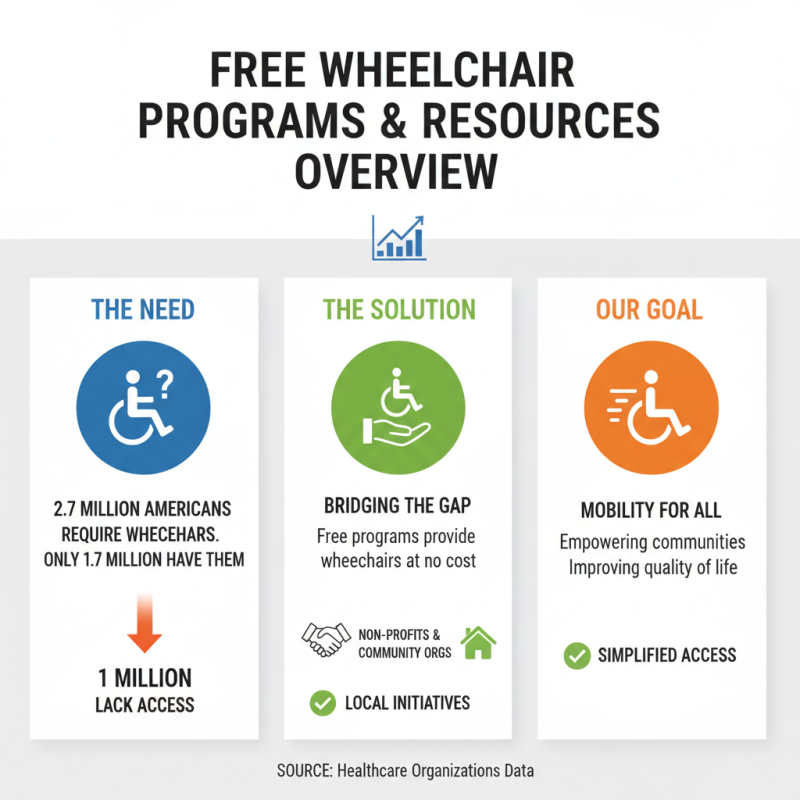
Access to wheelchairs remains a significant concern in many communities. According to recent data from healthcare organizations, nearly 2.7 million Americans require a wheelchair, but only 1.7 million have one. This gap raises awareness about free wheelchair programs that aim to bridge this divide. These programs often collaborate with various non-profits and community organizations to provide wheelchairs at no cost. Many initiatives operate on local levels, ensuring those in need receive help without navigating complex processes.
Community-driven efforts offer robust solutions. Volunteer organizations play a pivotal role in this landscape, gathering funds and donations. They also often have partners that recycle used wheelchairs, transforming them into functional mobility aids for others. Reports show that approximately 70% of recipients express high satisfaction with these services, emphasizing the importance of accessibility. However, some programs struggle to maintain inventory or face unforeseen barriers, limiting their reach.
Engagement with healthcare professionals can also significantly enhance outcomes for those in need of wheelchairs. Doctors and therapists can connect patients with local resources and assistive technology programs. This collaborative effort may help shed light on patients' unique needs, fostering a better match between individuals and available wheelchairs. As challenges persist in ensuring consistent support, ongoing advocacy for enhanced resources remains vital in addressing the mobility needs of many.
Local Charities and Organizations Offering Wheelchair Donations
Finding a wheelchair can be a daunting challenge for those who need one. Fortunately, many local charities and organizations offer donations to address this pressing need. These groups often focus on helping individuals with mobility issues. They understand the importance of providing support for those in difficult situations.
One effective approach is to connect with community health organizations. Many have programs dedicated to distributing wheelchairs. They assess the needs of individuals and match them with available resources. Local churches and non-profits may also have programs in place, providing gently used or refurbished wheelchairs. Personal stories can highlight their impact, showing how a wheelchair changed someone's life.
However, it's vital to research and verify these organizations. Not all charities are equally reliable. Some may have waiting lists or limited availability. This inconsistency can be frustrating for those in urgent need. Engaging directly with these groups can lead to better outcomes. It's essential to remain persistent and consider multiple options to find the right fit for your needs.
Government Assistance Programs for Wheelchair Accessibility
In the realm of wheelchair accessibility, government assistance programs play a vital role. Many individuals struggle to afford wheelchairs. Reports indicate that nearly 2.7 million adults in the U.S. rely on wheelchairs. Fortunately, numerous programs are available to support those in need.
The Health Resources and Services Administration (HRSA) provides funding for durable medical equipment in some cases. This includes wheelchairs for eligible individuals. Programs like Medicaid often cover costs for low-income families. Moreover, some state departments have specific initiatives targeting accessibility needs.
Tips: Research local government programs. Many municipalities offer grants or financial assistance. Attend community meetings to gather more information.
Nonprofit organizations can also fill gaps left by government assistance. They may offer refurbished wheelchairs or financial aid. However, it's important to verify the legitimacy of these organizations. Always check reviews and testimonials to ensure reliability.
Tips: Reach out to your local community center. They might have resources or contacts that can help. Networking can lead to unexpected solutions.
Top Places to Find Free Wheelchairs for Those in Need
| Assistance Program |
Eligibility Criteria |
Contact Information |
Website |
| Medicaid |
Low-income individuals with disabilities |
1-800-XXX-XXXX |
www.medicaid.gov |
| Veterans Affairs |
Veterans with service-related disabilities |
1-800-XXX-XXXX |
www.va.gov |
| State Welfare Programs |
Residents below state poverty line |
1-800-XXX-XXXX |
www.statewelfare.gov |
| Charitable Organizations |
Individuals in need, often with application |
1-800-XXX-XXXX |
www.charity.org |
| Non-Profit Organizations |
Specific conditions depending on the organization |
1-800-XXX-XXXX |
www.nonprofit.org |
Online Platforms for Requesting and Giving Wheelchairs
Online platforms have become essential for people in need of wheelchairs. Many websites and social media communities connect those offering wheelchairs with those looking for them. These platforms provide a safe environment to share requests and donations.
When using these online resources, be clear about your needs. Share specific details, like the type of wheelchair required and any customization needed. Photos can help potential donors understand better. Engage respectfully with others in these communities, showing appreciation for their assistance.
Tips: Always verify the legitimacy of the offers you receive. Sometimes, listings may seem appealing but could lack reliability. Research the giver's profile and reach out for more information. Trust your instincts and do not rush into decisions. Give it time to reflect on the best options for your needs.
Community Initiatives and Fundraising Events for Wheelchairs
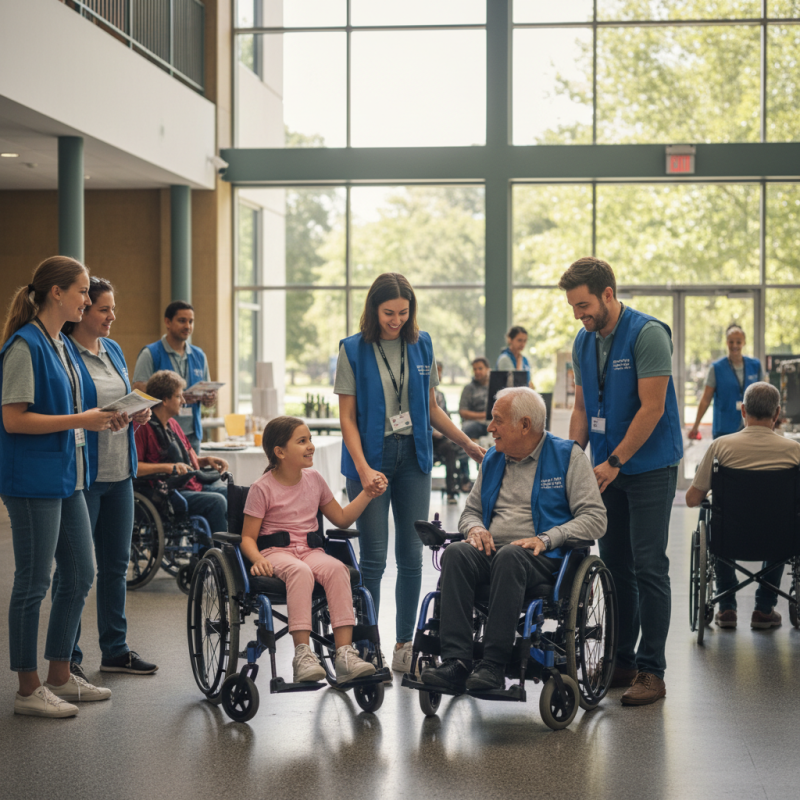
Community initiatives and fundraising events play a crucial role in providing free wheelchairs to those in need. According to the World Health Organization, approximately 75 million people worldwide need a wheelchair but lack access to one. Many grassroots organizations are stepping up to bridge this gap. They host events such as charity walks, bake sales, and fun runs to raise funds for wheelchair programs. These gatherings not only collect money but also create awareness about the importance of mobility assistance.
Engaging local communities boosts the effectiveness of these initiatives. For instance, partnering with schools can yield various creative fundraising ideas. Bake sales can generate funds while allowing students to learn about disability awareness. Some groups even organize community drives to collect lightly used wheelchairs, which can be refurbished and donated. Such actions foster a sense of community and support for individuals with limited mobility.
Tips for getting involved include attending local events, volunteering your time, and spreading the word through social media. Donating funds or equipment can make a significant difference in your area. Reports indicate that even small contributions combined lead to purchasing more wheelchairs. Reflecting on these events often reveals their success lies not just in funds raised but in building a network of support and understanding among community members.