What is a Gait Belt and How to Use It Effectively?
Gait belts are essential tools in patient care. They provide support and stability when assisting individuals with mobility challenges. Dr. Emily Carter, a renowned physical therapist, emphasizes, "A gait belt can make a significant difference in ensuring safety during transfers." This statement highlights the importance of proper usage.
Understanding how to use a gait belt effectively is crucial for caregivers and healthcare professionals. A gait belt not only aids in moving patients but also enhances their confidence. However, improper use can lead to accidents and injuries. It is important to be aware of proper techniques to avoid these pitfalls.
Many caregivers overlook simple practices that ensure safety. For example, adjusting the belt’s snugness is vital. An overly loose belt may slip, while a tight one can cause discomfort. Reflecting on these details can help improve the effectiveness of this tool. The importance of training cannot be understated. Investing time in understanding gait belt usage leads to better outcomes for both caregivers and patients.

What is a Gait Belt? Definition and Purpose in Patient Care
A gait belt is a vital tool in patient care. It is designed to assist caregivers in safely transferring and stabilizing patients with mobility challenges. The belt is typically made of durable fabric, featuring sturdy handles. It provides a secure grip for the caregiver, ensuring better control during movements.
Using a gait belt can prevent falls and injuries. When a caregiver wraps the belt around the patient's waist, it enhances stability. This is especially beneficial for elderly patients or those recovering from surgery. The caregiver can help navigate the patient while maintaining their balance. However, it is crucial to apply the belt correctly. Poor placement may cause discomfort or ineffective support.
Training caregivers in gait belt usage can improve safety outcomes. Yet, some caregivers may hesitate to use it. They might worry about their strength or technique. Regular practice can build confidence. Reflection on past experiences is important. Each patient may require different approaches. Acknowledging these factors can lead to better care practices.
Importance of Gait Belts in Preventing Falls and Injuries
Gait belts are essential tools in healthcare, especially for assisting patients with mobility challenges. According to the National Institute on Aging, falls among older adults lead to over 300,000 hip fractures annually in the U.S. Using a gait belt can significantly reduce this risk during transfers and ambulation. These belts provide caregivers with better control and support, ensuring that patients are less likely to stumble or fall.
Proper usage of a gait belt is crucial. The belt should fit snugly around the patient’s waist without being too tight. Caregivers should hold the belt at the back, not the front. This technique allows for better leverage and stability. It’s worth noting that while gait belts can greatly improve safety, they require training to use effectively. Studies indicate that 30% of caregivers feel untrained in utilizing equipment like gait belts. This gap in knowledge can lead to improper use, potentially resulting in injuries.
Additionally, continuous assessment is vital. Caregivers should monitor patients’ physical conditions and adjust their techniques accordingly. Some patients may experience fluctuations in balance or strength, making it essential to adapt the approach as needed. Reflecting on these challenges can help improve overall safety and care quality. It’s a reminder that while gait belts are helpful, awareness and training are what truly enhance their effectiveness in preventing falls and injuries.
Step-by-Step Guide to Properly Applying a Gait Belt
A gait belt is an essential tool in healthcare settings. It helps caregivers assist patients with mobility challenges. Proper application ensures safety for both patients and caregivers. Studies suggest that the use of gait belts can reduce fall incidents by up to 50%. This statistic underscores the importance of mastering their use.
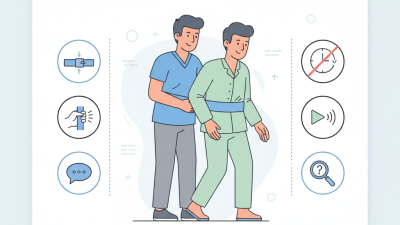
Before applying the gait belt, ensure the patient is in a seated position. Place the belt around the patient’s waist, positioning it snugly but not too tight. The belt should be positioned above the hips and below the ribcage. Ensure that the buckle is secured and not digging into the skin. This step is crucial for patient comfort and safety.
When assisting a patient to stand, maintain a stable grip on the belt with one hand. Use your other hand for additional support if necessary. This dual approach allows for effective control. Always check in with the patient, asking if they feel secure. Reflect on your technique after each use. Continuous improvement enhances both patient safety and caregiver confidence.
Techniques for Assisting Patients Using a Gait Belt
When using a gait belt, it's crucial to know the correct techniques for patient assistance. Start by ensuring the belt is snug but not too tight around the patient’s waist. Position yourself beside the patient, maintaining a firm grip on the gait belt. This technique provides stability and safety during transfers or ambulation. If the patient begins to stumble, you can use the belt to guide them back into a stable position.
Communication is vital throughout the process. Inform the patient about every move you are making. Use clear and simple instructions. If a patient needs help standing, encourage them to push up from a stable surface. As you assist them, keep your knees bent and maintain a strong stance. This posture helps in controlling any sudden shifts in weight.
Sometimes, challenges arise. A patient may not understand the instructions or may resist assistance. Handling such situations requires patience and empathy. Reflecting on your approach can improve future interactions. Flexibility in your methods promotes a better experience for both you and the patient. Always prioritize comfort and security, even if that means re-evaluating your technique.
Best Practices for Gait Belt Maintenance and Safety Compliance
Gait belts are essential tools in assisting patients with movement. Ensuring their effective use starts with proper maintenance. Regularly inspect the gait belt for any signs of wear, fraying, or damage. This attention to detail helps prevent accidents. Always clean the belt according to the manufacturer's recommendations. Dirt or bodily fluids can compromise its integrity. A clean gait belt is not just hygienic; it is also a crucial safety measure.
Training staff on safety compliance is vital. Staff should know how to apply the gait belt correctly. Misapplication can lead to slips and falls. Reassessing the use of the gait belt during patient transfers is essential. Is it always tight enough? Too loose creates risks. Furthermore, remind caregivers about the importance of communication. They should explain to patients how the gait belt works. This helps build comfort and trust.
Reflecting on past experiences can improve practices. Have there been incidents where the gait belt was ineffective? Identifying such moments can enhance training. Continuous learning from practical scenarios is crucial. Adjusting protocols as needed ensures a safer environment for both patients and caregivers.