2026 How to Choose the Best Medical Lift Chair for Your Needs?
Choosing the right medical lift chair can significantly affect comfort and mobility, especially for seniors and those with limited mobility. Research shows that approximately 65% of adults over 65 experience some form of mobility issue. A well-suited lift chair can enhance their day-to-day activities and overall quality of life.
When selecting a medical lift chair, consider features like weight capacity, size, and ease of use. A quality lift chair should support users comfortably while providing stability. It's important to remember that the best choice varies from person to person. Not every model will meet every individual’s needs. Industry reports indicate that an average lift chair can last between 5 to 15 years, depending on usage and maintenance.
Many options exist, yet it's easy to feel overwhelmed. It's crucial to assess your unique requirements and seek guidance from healthcare professionals when needed. As this product becomes increasingly popular, being informed can lead to better decision-making. A medical lift chair is more than just a piece of furniture; it's an investment in well-being and independence.

Understanding the Basics of Medical Lift Chairs
Medical lift chairs are essential for those with mobility challenges. Understanding their basic features can help you make an informed decision. These chairs provide support and comfort for users who may struggle to stand or sit. They are designed to assist individuals in transitioning from a seated position to standing. This can reduce stress on joints and prevent falls.
When choosing a medical lift chair, consider the weight capacity and size. It should fit well in your living space. Look for features like adjustable reclining positions and plush cushioning. These aspects enhance comfort and usability. Not everyone may need an extensive range of features, so evaluate your specific needs. A simple chair might suffice for some users.
Another important detail is the ease of use. Controls should be intuitive. Some chairs may come with complex mechanisms that can be daunting for certain users. Always keep in mind that comfort is a personal journey. What works for one person may not work for another. It’s crucial to test different chairs before making a choice. These details can significantly impact daily living.
Key Features to Consider When Choosing a Lift Chair
Choosing the best medical lift chair involves understanding key features that cater to individual needs. When considering a lift chair, comfort is paramount. A chair should foster proper posture and offer ample cushioning. According to the National Institute of Health, poor posture can exacerbate aches and lead to long-term disability. Assessing the seat width and depth may prevent discomfort for long-term users.
Durability is another critical factor. The materials used in lift chairs should withstand wear over time. Research indicates that around 60% of lift chairs face issues within the first five years due to material failure. Therefore, opting for a chair with reinforced stitching and robust mechanisms can enhance reliability.
Furthermore, ease of use plays a vital role. Remote controls should be intuitive. A complex system could frustrate users, particularly those in recovery. In fact, a survey by the American Physical Therapy Association shows that 45% of seniors find technology challenging. Despite advancements in design, the balance between functionality and user-friendliness remains a critical area for improvement in the industry.
Key Features to Consider When Choosing a Medical Lift Chair
Assessing Your Personal Needs and Preferences
Choosing the right medical lift chair involves assessing your personal needs and preferences. The right chair can significantly improve your mobility and overall comfort. According to a report by the National Institute on Aging, over 50% of seniors experience difficulty in sitting down and standing up from a seated position. A lift chair can provide essential assistance in these situations.
Consider your daily activities. If you spend long hours seated due to health conditions, a chair with extra padding and support may be vital. Look for features like adjustable reclining and leg rests. Each person's height and weight will influence the choice of chair. A survey conducted by the American Physical Therapy Association found that 40% of users reported improved posture after selecting a chair tailored to their specific body type.
Be realistic about your preferences. Some people may prefer modern designs and specific colors, while others may prioritize functionality over aesthetics. Review chair dimensions thoroughly. A lift chair that is too large or small can lead to discomfort over time. Keep in mind that many users also expressed uncertainty about the longevity of their chairs. Consider how the materials hold up with regular use. With personal assessments, you can better match your needs to a chair that truly enhances your daily life.
Evaluating Budget Options for Medical Lift Chairs
When considering a medical lift chair, budget is a critical factor. Lift chairs can vary widely in price. It's essential to assess what you can afford without compromising on quality and safety. A basic model may start at a lower price but could lack essential features. Higher-end models often have advanced capabilities, like more recline positions and built-in heat.
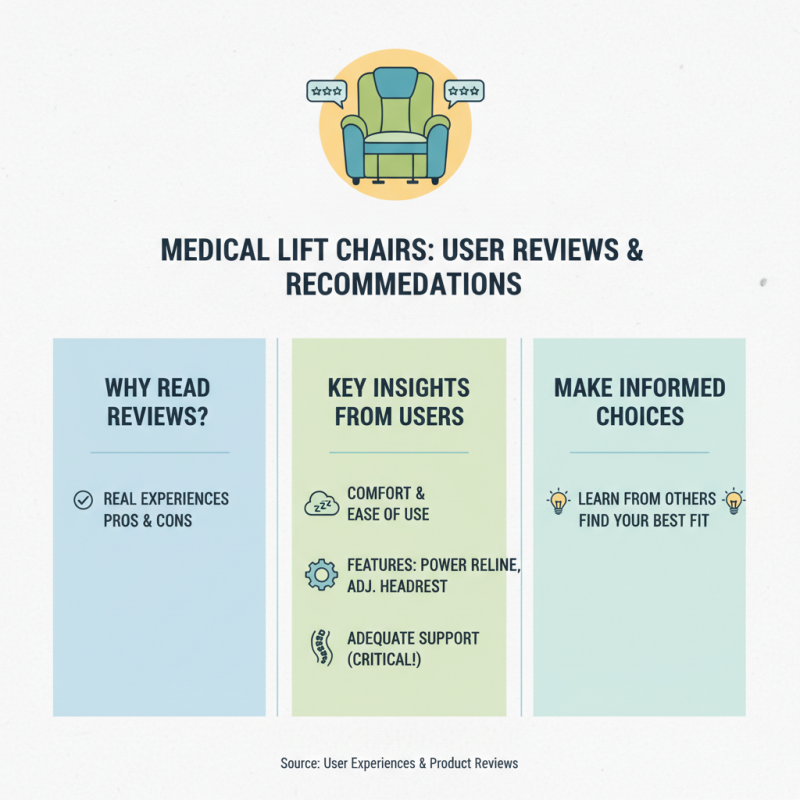
Research is necessary to find chairs that fit your financial constraints. Look for reviews and ratings from other users. Their experiences can provide insights into the chair’s longevity and comfort. Consider the cost of any necessary accessories or modifications as well. Additional features, such as adjustable height or upholstery options, can affect the overall price.
Finding the right balance between cost and functionality might require some reflection. A cheaper chair may seem appealing, but it could lead to dissatisfaction later. Prioritize features that genuinely enhance mobility and comfort. Investing a little more upfront could save money on replacements or repairs later. Avoid rush decisions that may not serve your long-term needs.
2026 How to Choose the Best Medical Lift Chair for Your Needs? - Evaluating Budget Options for Medical Lift Chairs
| Chair Model |
Weight Capacity |
Price Range |
Reclining Positions |
Upholstery Material |
Warranty |
| Model A |
300 lbs |
$500 - $700 |
3 Positions |
Microfiber |
2 years |
| Model B |
350 lbs |
$600 - $800 |
5 Positions |
Leather |
3 years |
| Model C |
400 lbs |
$700 - $900 |
Infinite Position |
Upholstered Fabric |
5 years |
| Model D |
250 lbs |
$400 - $600 |
2 Positions |
Vinyl |
1 year |
| Model E |
350 lbs |
$800 - $1000 |
Reclines & Lift Function |
Suede |
4 years |