What Is Mobility Scooter Hire and How Does It Work?

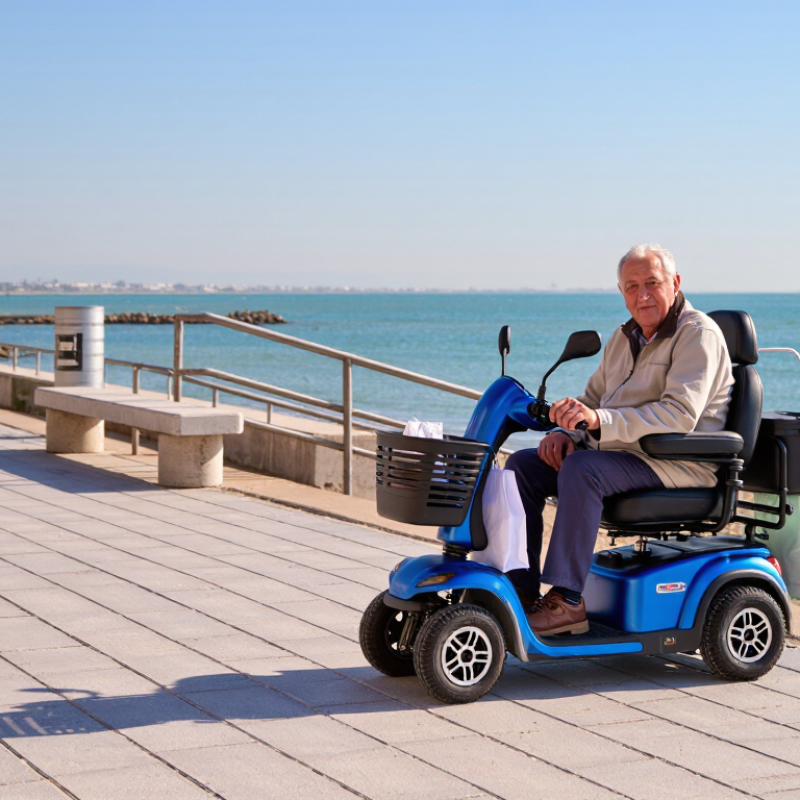
Mobility scooter hire gives people temporary access to powered mobility without purchasing, storing, or maintaining a scooter. A typical booking may include model selection, delivery, battery charging guidance, collection, and basic operating support. Imagine arriving at a seaside promenade with a charged battery, adjustable tiller, and enough storage for a small bag. That practical detail matters.

The World Health Organization and UNICEF reported in their 2022 Global Report on Assistive Technology that more than 2.5 billion people need assistive products worldwide. This figure could exceed 3.5 billion by 2050. Mobility scooters form part of this wider assistive technology landscape. The UK Department for Transport’s National Travel Survey also shows clear differences in travel patterns between disabled and non-disabled people. Flexible transport options remain important.

Professor Rory Cooper, a leading rehabilitation engineer and mobility researcher, states, “Mobility is a fundamental human right.” His words explain why mobility scooter hire is more than a convenience. It can support independence, family visits, shopping, and accessible tourism. Still, hire is not automatically simple. A scooter may look suitable online, yet feel too wide for a hotel lift or too heavy for a car ramp. Battery range can disappoint on steep streets. Users should check measurements, weight limits, charging arrangements, delivery conditions, and local access requirements before booking. Small omissions can create stressful journeys. That weakness deserves attention. A reliable provider should explain limitations honestly, offer clear instructions, and help customers choose equipment based on real situations rather than attractive photographs.
What Is Mobility Scooter Hire and How Does It Work?

What Is Mobility Scooter Hire?

Mobility scooter hire means paying to use a powered mobility scooter for a limited period, rather than buying one. People may hire one for a holiday, recovery period, event, or occasional shopping trip. The arrangement usually includes a booking, suitability check, delivery or collection, and return date. Some providers also supply a charger, basket, rain cover, and basic instruction. In practical terms, hire provides equipment access without long-term storage or maintenance.

The need is substantial.

The World Health Organization’s 2022 Global Report on Health Equity for Persons with Disabilities estimates that 1.3 billion people experience significant disability worldwide. In the United States, CDC Disability and Health Data System figures indicate that about one in four adults has a disability. These figures do not measure scooter-hire demand directly. They do show why flexible mobility support matters. A scooter can reduce walking distances at a museum, airport, or town centre. It cannot remove every access barrier.

Before hiring, check the user’s weight limit, turning space, battery range, pavement suitability, and transport rules. Ask how faults are handled. Confirm the deposit, cancellation terms, charging responsibility, and insurance position in writing. A short test is wise. A scooter that feels steady indoors may become awkward on a slope or uneven kerb. Hiring sounds simple, but fit is personal. A rushed choice can create discomfort, delay, or unsafe handling. That part deserves careful reflection.

Who Can Hire a Mobility Scooter?

Who Can Hire a Mobility Scooter?

Mobility scooter hire is usually available to adults who find walking difficult, tiring, or unsafe. This may include people with long-term conditions, temporary injuries, balance problems, or limited stamina. You do not always need a formal disability certificate. However, each rental provider sets its own requirements.

Most providers ask about your height, weight, mobility needs, and intended route. They may also check whether you can steer, brake, and operate the controls safely.

A short assessment can reveal practical issues, such as weak hand strength or difficulty turning. It may feel unnecessary, but it helps match the scooter to your real needs. Some people choose a compact model for shops, while others need stronger support for outdoor paths.

You may need identification, a deposit, and an emergency contact. Requirements can differ for short-term and long-term hire. Age limits may apply, especially where scooters are heavier or faster.

If you take medication that affects alertness, ask a healthcare professional before hiring. That conversation is often overlooked.

A provider may also explain charging, storage, weather limits, and safe loading. Tell them about narrow doorways or steep slopes before delivery. A scooter that works well on a smooth pavement may struggle outside a busy station.

Availability is not the same as suitability.

How the Mobility Scooter Rental Process Works

What Is Mobility Scooter Hire and How Does It Work?

How the Mobility Scooter Rental Process Works

Mobility scooter hire allows you to use a scooter for a limited period. It can support holidays, shopping trips, events, or temporary mobility needs. The rental process usually begins with a conversation about your travel dates, destination, body weight, and expected distance. Ask questions early.

A rental provider may recommend a compact travel scooter or a larger model with stronger outdoor stability. Consider doorway widths, luggage space, pavement surfaces, and battery range before confirming. You should receive clear information about the rental cost, deposit, delivery, collection, cancellation terms, and damage responsibilities. Read everything carefully. Small details matter.

On delivery day, inspect the tyres, seat, controls, lights, and battery indicator. Ask for a practical demonstration, then practise turning and braking in an open area. A reliable provider should explain charging, safe parking, and what to do if the scooter stops working. Local access rules may also affect where you can ride, so check current guidance before travelling. It is not always smooth. Battery estimates can change with hills, cold weather, passenger weight, and frequent stops. Planning a reserve route is sensible. Returning the scooter usually involves a condition check, battery review, and collection at the agreed time. Keep photos from delivery, although people often remember this step too late.

Choosing the Right Scooter and Hire Option

Mobility scooter hire means borrowing a powered scooter for a day, week, or longer period. It can suit holidays, shopping trips, recovery, or uncertain long-term needs. The World Health Organization’s Global Report on Assistive Technology (2022) estimates that 2.5 billion people need at least one assistive product. Demand is growing.

Choosing the right scooter starts with the user, not the appearance. Measure the narrowest doorway and check the scooter’s turning circle. Compare the seat width, maximum user weight, battery range, and ground clearance. A lightweight travel model may fit a car boot, but it can feel less stable outdoors. Larger models usually offer better comfort, yet they need more storage space. I would not trust the brochure alone.

Hire terms need equal attention. Ask whether delivery, collection, insurance, charging equipment, and breakdown support are included. Confirm the daily distance before choosing a short-range battery. For weekly hire, check extension fees and cancellation rules. A 2022 United Nations World Population Prospects report projects that one in six people worldwide will be aged 65 or older by 2050, increasing interest in accessible transport. However, older users may need a supervised trial. An occupational therapist can help assess posture, transfers, and control strength. Small details matter. The best option is not always the cheapest or newest; it is the scooter that feels controllable on the actual route.

What Is Mobility Scooter Hire and How Does It Work? - Choosing the Right Scooter and Hire Option

Topic Typical Information Best Suited For Important Points to Check
What mobility scooter hire means A mobility scooter is rented for an agreed period instead of being purchased. The hire usually includes the scooter, basic operating instructions, and agreed collection or delivery arrangements. Short trips, holidays, events, temporary recovery, and occasional mobility needs. Confirm the rental period, deposit, insurance terms, damage policy, cancellation rules, and what happens if the scooter develops a fault.
How the hire process works Choose a scooter, provide user and delivery details, complete the booking, receive safety instructions, use the scooter during the agreed period, and return it on time. First-time renters and users who need a straightforward temporary solution. Ask whether an assessment, identity check, driving demonstration, or signature is required before collection or delivery.
Portable or folding scooter Usually lightweight and designed to separate or fold for transport. Typical real-world ranges are approximately 6–15 miles per charge, depending on the model, battery, user weight, terrain, and weather. Indoor use, shopping areas, short outings, and car travel. Check folded dimensions, heaviest component, battery charging method, seat comfort, and whether the vehicle can safely carry the scooter.
Travel or pavement scooter Compact scooters generally intended for pavements, pedestrian areas, and firm outdoor surfaces. Many models have a typical maximum speed of about 4 mph in places where pavement limits apply. Local errands, town centres, shopping trips, and relatively smooth paths. Check turning space, ground clearance, kerb capability, lighting, storage, and the legal rules in the area of use.
Mid-size outdoor scooter Offers more stability, seating support, suspension, and battery capacity than a compact model. Typical ranges are approximately 15–30 miles per charge, subject to operating conditions. Longer local journeys, parks, paved trails, and users who need additional comfort. Check overall width, transport requirements, charging time, maximum user weight, and whether the route includes slopes or uneven surfaces.
Heavy-duty or road-capable scooter Larger models generally provide a wider seat, stronger suspension, higher weight capacity, and longer range. Where permitted, road-capable models may reach approximately 8 mph, while local regulations still apply. Long outdoor journeys, uneven paths, higher user weights, and users needing enhanced stability. Confirm registration, lighting, visibility equipment, road-use requirements, storage space, delivery access, and charging facilities.
Daily hire A short rental commonly covering one day or a defined 24-hour period. The exact return time may affect the charge. One-day events, venue visits, appointments, and emergency short-term needs. Check collection and return times, late-return fees, battery condition, and whether delivery is charged separately.
Weekly hire A rental lasting approximately seven days, often offering better value per day than repeated daily bookings. Holidays, extended visits, temporary injuries, and short-term rehabilitation. Confirm whether weekends count, how charging equipment is supplied, and whether the booking can be extended.
Monthly or long-term hire A rental lasting several weeks or months, sometimes arranged as a rolling agreement with regular payments. Long-term recovery, changing mobility needs, or users who want to test a scooter before purchasing. Review maintenance responsibility, replacement arrangements, minimum term, notice period, and total cost compared with buying.
User weight and seating fit Each scooter has a manufacturer-specified maximum user weight. Seat width, legroom, tiller position, and back support also affect safe and comfortable use. Every user, particularly those requiring postural support or extra seating space. Never exceed the stated capacity. Test mounting, dismounting, steering reach, braking controls, and foot positioning before travelling.
Battery and charging Battery range varies with temperature, terrain, speed, tyre pressure, user weight, battery age, and frequent stopping. Charging commonly takes several hours. Users who can plan journeys around available charging facilities. Use the supplied charger, keep the charger dry, charge in a suitable ventilated location, and confirm whether overnight charging is permitted.
Delivery and collection The scooter may be collected from a rental location or delivered to a home, hotel, transport terminal, or event venue, depending on the service area. Travellers and users who cannot easily transport a scooter themselves. Provide accurate access details, check delivery windows, measure doors and lifts, and confirm where the scooter will be handed over.
Safety and operating briefing A proper handover should cover steering, speed control, braking, reversing, charging, safe turning, slopes, kerbs, pedestrian awareness, and emergency contact procedures. All users, especially people hiring a scooter for the first time. Practise in a quiet area before travelling and use a seat belt, lights, reflectors, or other safety equipment when fitted and appropriate.
Choosing the right hire option Compare the journey distance, surface conditions, transport needs, hire duration, user capacity, comfort requirements, battery access, and total cost. Anyone deciding between a portable, compact, mid-size, or heavy-duty scooter and between daily, weekly, or monthly hire. Select the smallest model that safely meets the user’s size, comfort, range, terrain, and stability requirements rather than choosing only by price.

Note: Speed, range, weight capacity, hire terms, and legal requirements vary by scooter model and location. Always confirm the specifications and local rules before booking.

Safety Rules, Costs, and Returning the Scooter

Mobility scooter hire allows a person to use a powered scooter for a few hours, days, or weeks without buying one. The hire provider usually checks the customer’s needs, explains the controls, and confirms where the scooter may be used. Before leaving, test the brakes, steering, lights, horn, seat adjustment, and battery indicator. Keep both hands on the controls. Slow down near kerbs, ramps, doors, and crowded pavements. Follow local traffic and accessibility rules, and ask about approved routes. Never carry more passengers than the scooter allows.

Costs can include an hourly or daily hire fee, a refundable deposit, delivery, insurance, and charges for damage. Ask for a written price before signing. Check whether the quoted amount includes charging, roadside help, and late returns. A low headline price may not be the final cost. That detail matters. It is also sensible to photograph the scooter before use, especially its tyres, seat, and bodywork. Small marks can become confusing later. I would not skip this step, even when the scooter looks clean.

Return the scooter at the agreed time and location. Charge it if the agreement requires charging. Remove personal items, fold or secure removable parts, and report unusual noises immediately. Do not hide damage or a weak battery. Honest reporting usually makes the process easier. The provider should inspect the scooter with you and confirm any deposit deductions in writing. Still, return instructions can be unclear, so repeat the address and closing time before taking the scooter.

What Is Mobility Scooter Hire and How Does It Work?

Mobility scooter hire lets a person rent a suitable scooter for a short period instead of purchasing one. The total price usually depends on the hire duration, delivery distance, scooter type and whether a refundable deposit is required.

Indicative UK hire ranges shown in GBP. Actual prices vary by location, hire period, delivery arrangements, scooter size and accessibility requirements.

Safety Rules and Returning the Scooter

Before collection or delivery, check the brakes, tyres, lights, battery level and controls. Follow the hire provider’s operating instructions, use pavements and pedestrian areas carefully, and keep to the applicable local speed limits. In the UK, class 2 mobility scooters are generally limited to 4 mph and are intended for pavements, while class 3 scooters can travel up to 4 mph on pavements and up to 8 mph on roads where permitted. Return the scooter on time, with its charger and accessories, in a clean and undamaged condition. Take photographs at handover and report any fault immediately.