What Is a Scooter Sport Bike and How Does It Work?
A Scooter Sport Bike combines scooter convenience with the sharper response of a performance-focused motorcycle. It usually has automatic transmission, step-through access, practical storage, and a compact engine. Yet its design often includes firmer suspension, stronger brakes, larger wheels, and more aggressive bodywork.
The machine works through a continuously variable transmission, commonly called a CVT. As engine speed rises, the CVT changes its pulley ratio automatically. This keeps acceleration smooth without requiring a manual clutch. Twist the throttle, and the engine sends power through the CVT, final drive, and rear wheel. The front fork, rear shock, and tire profile then influence how confidently the bike turns.
It feels familiar.
During a test ride, the difference appears in corners and quick stops. A sport-oriented scooter may hold a line more steadily than a basic commuter model. Its riding position can also feel more active, with firmer support and a narrower waist. However, performance depends on engine size, weight, tire quality, and suspension setup. Styling alone proves very little.
The term “Scooter Sport Bike” is not perfectly standardized. Some manufacturers use it for sporty automatic scooters, while others describe larger maxi-scooters with motorcycle-like equipment. That ambiguity can confuse buyers. A reliable evaluation should examine specifications, braking systems, maintenance records, and real riding conditions. Factory claims help, but they do not replace careful inspection. A tidy explanation still has limits. Rider skill, road surface, weather, and proper protective equipment remain equally important. Understanding these details makes the category easier to judge with confidence.
What Defines a Scooter Sport Bike?
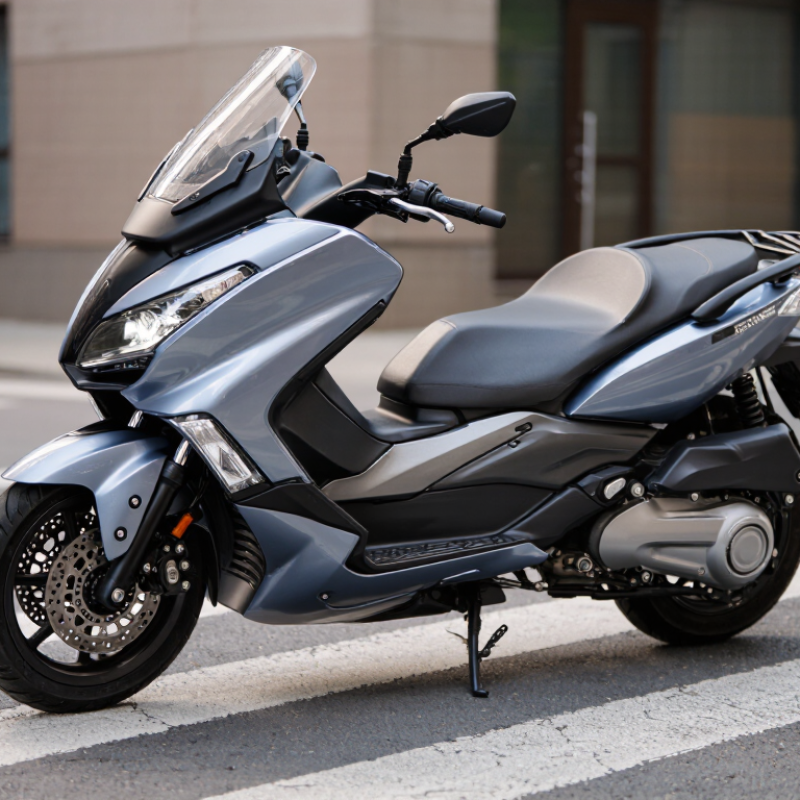
A scooter sport bike blends scooter convenience with the sharper handling of a lightweight motorcycle. Its defining feature is usually an automatic transmission, often a continuously variable transmission, which removes the need for manual gear changes. Riders can twist the throttle and move smoothly through traffic. The frame may include a step-through section, a flat floor area, or under-seat storage. However, these features vary widely. The category has no single technical standard.
Sport-focused design changes the riding feel. Larger wheels, firmer suspension, stronger brakes, and a more forward seating position can improve cornering stability. A responsive engine helps during acceleration, while a compact body makes low-speed control easier.
Some models use motorcycle-style controls and sharper bodywork. Others still feel like practical urban scooters. That difference matters. A sporty appearance alone does not guarantee sport-bike performance. Check the engine size, vehicle weight, wheel dimensions, braking system, and suspension adjustment before judging one.
Tips: Sit on the scooter before riding. Your feet should reach the ground comfortably, and the handlebars should not strain your wrists. Test the throttle response in a quiet, legal area. Keep your inputs smooth, especially on wet pavement. Read the owner’s manual and follow its maintenance schedule. Inspect tire pressure and brake feel regularly. I sometimes find the “sport” label confusing, because comfort, storage, and agility can conflict. A well-balanced scooter sport bike should feel controlled, not merely fast.
How the Controls Turn Power into Movement
A scooter sport bike turns a small wrist movement into controlled forward motion through several linked systems.
The rider twists the throttle, opening an electronic or mechanical signal. The engine responds with torque, while a continuously variable transmission adjusts the ratio without manual gear changes. Centrifugal clutch weights then engage progressively, so the rear wheel receives power smoothly rather than suddenly. It feels simple. It is not.
The control path continues through the final drive, tire, and road surface. A wider throttle angle requests more acceleration, but the engine control unit may reduce output when traction drops. The left lever usually operates the rear brake, while the right lever controls the front brake, depending on local design conventions. Anti-lock braking is important here. An Insurance Institute for Highway Safety analysis found that motorcycle ABS was associated with a 22% lower fatal crash rate. NHTSA’s Traffic Safety Facts reported 6,084 motorcyclist deaths in 2022, showing why precise inputs matter. The rider should squeeze, not grab, the brake levers. Small details count.
Steering also needs explanation. The handlebars turn the front wheel, but lean angle actually guides the scooter through a bend. Countersteering begins that lean at speed. This can feel backward during early practice. It is easy to overcorrect. Suspension keeps the tires connected over uneven pavement, although setup errors can make the scooter feel nervous. A road test should include throttle response, brake feedback, belt noise, and low-speed balance. Manufacturer claims are useful, but hands-on inspection remains more trustworthy.


