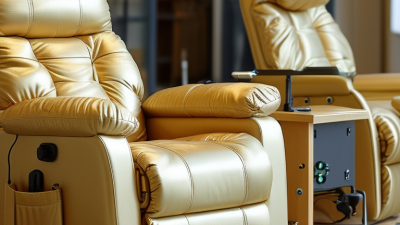
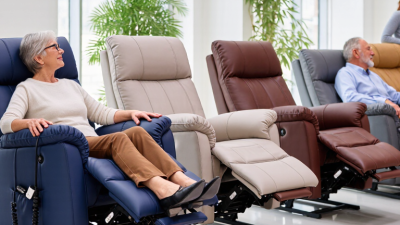
7 Tips for Buying Pride Mobility Lift Chairs?
Buying a Pride Mobility lift chair is a practical decision, not merely a furniture purchase. The right model can make standing, sitting, and resting safer at home. However, comfort depends on personal needs, room layout, and daily routines.
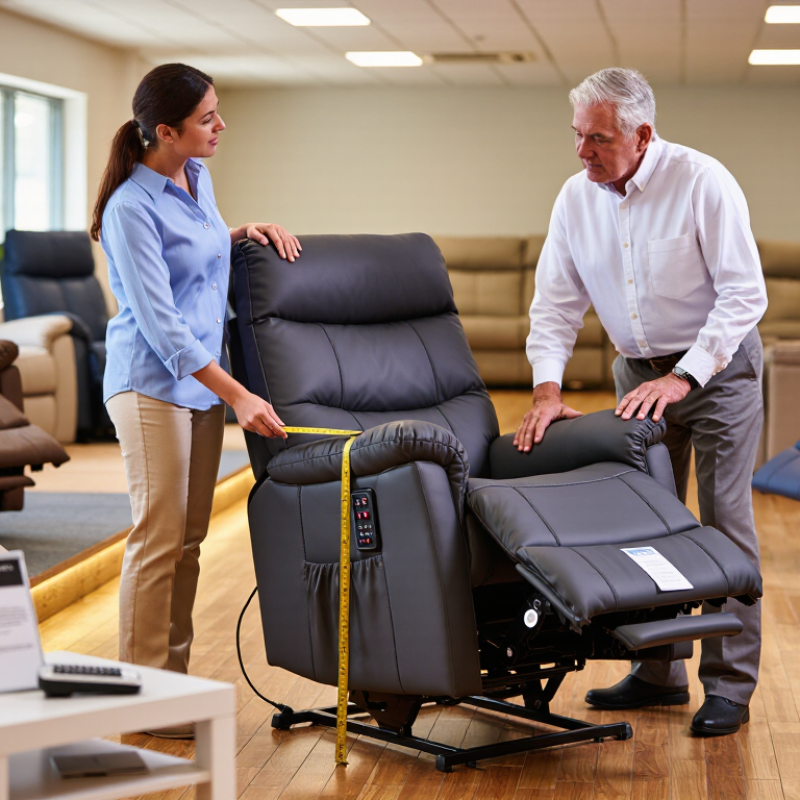
This guide explores seven useful tips for choosing a suitable chair. It considers lift capacity, seat width, reclining positions, fabric, warranty coverage, and after-sales support. Measure the doorway and the space behind the chair before ordering. A chair that fits a showroom may block a narrow hallway at home. Small details matter.
Check the footrest movement carefully. It should support the legs without pressing behind the knees. Pay attention to the handset buttons, especially if hand strength or vision is limited. Battery backup may also matter during a power interruption. Ask an authorized Pride Mobility dealer about weight limits, delivery, servicing, and return conditions. Product manuals and professional advice should guide the final decision.
Online research can feel confusing. Searching for “www pride mobility com lift chairs” may lead to product information, but not every page offers current or complete guidance. Verify model details through reliable sources. A healthcare professional may also suggest features for posture, transfers, or circulation concerns.
There is no perfect chair. Needs can change.
A softer cushion may feel comfortable today but become difficult to exit later. This guide encourages careful comparison rather than quick purchasing. With honest measurements, realistic expectations, and expert support, shoppers can choose a lift chair that suits both their body and their home.
Define Safety Priorities Using CDC’s “1 in 4” Older-Adult Fall Statistic
Buying a lift chair should begin with fall prevention, not upholstery. The CDC reports that about one in four adults aged 65 and older falls each year. Falls can cause fractures, head injuries, and reduced independence. A lift chair may support safer sitting and standing, but it cannot remove every household hazard.
Tip 1: Ask a healthcare professional to assess balance, strength, and transfer needs.
Tip 2: Measure the user’s height, weight, hip width, and leg length before ordering. A poor fit can create pressure or instability.
Tip 3: Check whether the chair lifts smoothly and stops reliably.
Tip 4: Choose simple controls with raised, readable buttons.
Tip 5: Keep the remote secured, not hanging near the floor.
Tip 6: Leave a clear path around the chair. Remove loose rugs, cords, and low tables. Small obstacles matter.
Tip 7: Confirm that the footrest closes fully before standing. Some users may still need a walker, caregiver, or transfer technique.
Look for firm cushions, supportive armrests, and a stable base. Ask about emergency lowering procedures during a power outage. Read the manual, then practice slowly while another adult observes. It is easy to assume powered movement equals safety. That assumption needs questioning. A chair that feels comfortable for five minutes may still encourage unsafe twisting or sliding. Regularly inspect cables, hinges, and controls, and report unusual movement promptly.
Match Body Measurements to Pride’s Model-Specific Seat Sizes and Weight Limits
7 Tips for Buying a Mobility Lift Chair
Match your body measurements to the chair’s actual seat dimensions. Measure hip width while seated, then add about two inches for movement. Measure from your buttocks to the back of your knees. A seat that is too deep can leave your feet floating. A seat that is too shallow may reduce thigh support. Check seat height, back height, armrest width, and the fully reclined length. Small differences matter.
Review the published weight limit carefully. Do not treat it as a suggestion. Include clothing, blankets, and any lift-assist pressure during transfers. CDC data indicate that about one in four U.S. adults has a disability, so fit and safe transfers deserve serious attention. The World Health Organization also reports that over 1.3 billion people experience significant disability worldwide. Need varies widely.
Ask for model-specific measurements, not general size labels. “Large” is not a measurement. Confirm the seat width, seat depth, seat-to-floor height, and required wall clearance. Test whether your heels rest naturally when sitting upright. Check whether the armrests support your elbows without raising your shoulders. A two-inch allowance is only a starting point. Measurements can still mislead. I would recheck them while wearing normal shoes. Also ask about return conditions, inspection requirements, and professional fitting support before purchase.
Verify Medicare’s E0627 Rules: Coverage Usually Applies to the Mechanism
When buying a lift chair, verify Medicare’s E0627 rules before choosing fabric, color, or extra features. E0627 generally refers to the seat-lift mechanism, not the entire chair. Coverage may apply when a documented medical condition prevents you from standing safely from a standard chair. You must usually be able to walk after standing. Medical necessity matters.
Tip 1: Ask your healthcare provider for a detailed order. It should explain your diagnosis, mobility limits, and why a regular chair is unsuitable. Tip 2: Confirm that the supplier is enrolled in Medicare and accepts assignment. A written estimate can prevent unpleasant billing surprises. In practice, paperwork errors often delay approval.
Tip 3: Ask which parts Medicare covers. Upholstery, massage functions, heat, upgraded cushions, and decorative options may remain your responsibility. Tip 4: Check whether prior authorization or extra documentation applies in your area. Medicare contractors can use different submission procedures. Rules can change, and online advice may be outdated. Tip 5: Request the exact HCPCS code on every document. Do not rely on a salesperson’s verbal promise. Tip 6: Test the chair’s lift path, control buttons, footrest, and emergency return position. Small details matter for weak hands or poor balance. Tip 7: Keep copies of the order, delivery receipt, and claim paperwork. I would also confirm the return policy, because comfort is difficult to judge during a brief showroom visit.
7 Tips for Buying Pride Mobility Lift Chairs? Verify Medicare’s E0627 Rules: Coverage Usually Applies to the Mechanism
Under Medicare Part B rules, E0627 generally refers to the medically necessary seat-lift mechanism rather than the entire lift chair. Coverage usually requires qualifying medical conditions, difficulty standing from a regular chair, the ability to walk once standing, and a physician’s order. The chair itself, upholstery, frame, and unrelated power features are generally not covered.