Why Choose Goldentech Lift Chairs for Global Buyers?
The global need for supportive seating is becoming more visible. The World Health Organization reports that about 1.3 billion people experience significant disability worldwide. Its 2022 Global Report on Health Equity for Persons with Disabilities also highlights persistent access barriers. These findings matter for buyers selecting practical home-care equipment. A lift chair is not merely a reclining seat. It can support standing, resting, and safer daily movement beside a sofa or bedside table.
Population ageing adds another important consideration. The United Nations World Social Report 2023 states that the number of people aged 65 and above is projected to double by 2050. This trend increases demand for comfortable, user-focused mobility products. Goldentech lift chairs are positioned for this changing market with features such as powered lifting, adjustable reclining, padded support, and remote control operation. A quiet motor and stable base can make a real difference during an early-morning transfer.
However, no chair solves every mobility challenge. That point deserves honesty. User height, weight, transfer ability, room space, and caregiver support must guide every purchase. Global buyers should also check voltage compatibility, plug configuration, documentation, warranty terms, and after-sales support. These details often influence satisfaction more than attractive photographs.
Professional procurement requires evidence, not promises. Buyers should request product specifications, testing information, packing details, and service procedures before ordering. With practical design and clearer supplier communication, goldentech lift chairs can offer a dependable option for distributors, retailers, and care providers serving ageing populations worldwide. There is room to improve, especially in international service consistency. That is where responsible brands must keep learning.
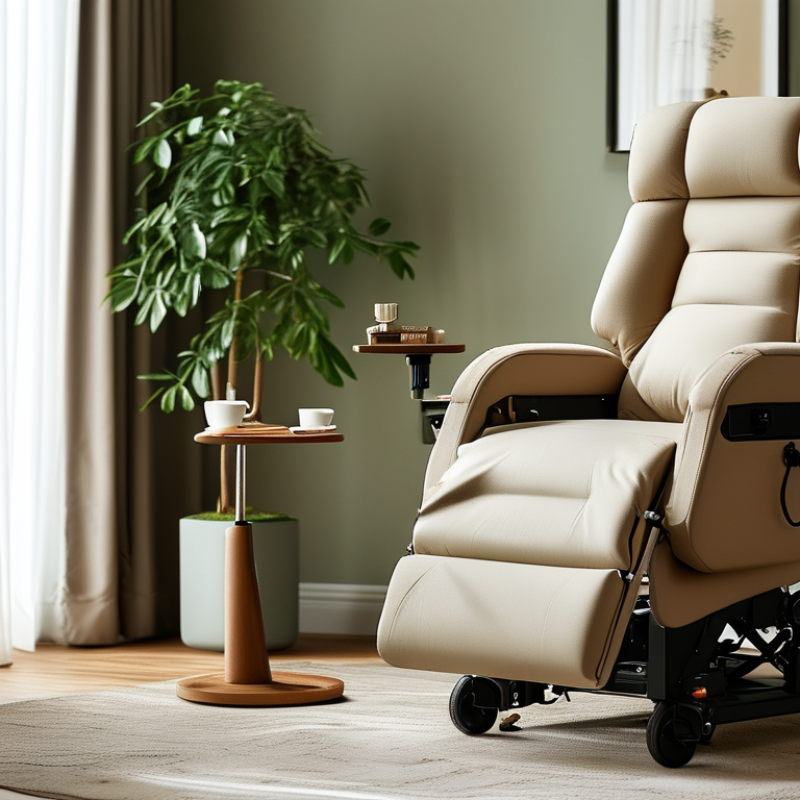
The manufacturer positions its lift chairs as practical mobility furniture for homes, care facilities, and international distributors. Its product range focuses on powered lifting, reclining support, and everyday comfort. This positioning serves buyers who need useful functions rather than decorative excess. A typical chair may include a two-button handset, padded armrests, durable upholstery, and a stable steel frame. Small details matter. The handset should be easy to identify in low light.
For global buyers, product reliability begins before shipment. Clear specifications, voltage options, user manuals, carton measurements, and spare-part information support smoother purchasing decisions. Experienced suppliers also check motor movement, remote response, stitching, frame stability, and packaging protection. These checks help distributors reduce returns and explain products accurately to customers. Consistent communication is equally important. It builds trust across different markets and time zones.
No product line is perfect. A heavier chair may offer stronger stability but increase shipping costs. Softer padding may feel comfortable but lose shape sooner under frequent use. Buyers should compare user weight limits, room size, fabric performance, warranty terms, and local service capacity. A thoughtful supplier should discuss these trade-offs instead of promising universal solutions. That honesty reflects professional positioning. It also helps global partners choose models that fit real homes, real budgets, and real routines.
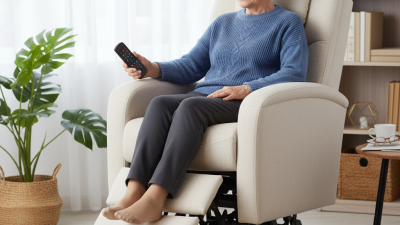
Lift chairs are more than oversized recliners. They combine powered lifting, reclining, and seated support for users with limited strength. A smooth motor can raise the seat gradually, reducing the need to push through the knees or arms. Dual-motor designs allow separate control of the backrest and footrest. That matters when users need a semi-reclined position for reading, resting, or sleeping.
The World Health Organization reports that one in six people worldwide will be aged 60 or older by 2030. The U.S. Centers for Disease Control and Prevention also states that more than one in four older adults falls each year. These figures make stability and ease of transfer practical priorities. Wide armrests, firm cushions, non-slip feet, and a simple wired remote can improve daily confidence. Battery backup is valuable during power interruptions. However, it should be tested regularly.
Fit matters. Not every chair fits. Buyers should compare seat height, seat depth, maximum user weight, and doorway width before ordering internationally. Upholstery should resist abrasion and allow easy cleaning, especially in care settings. Motors should operate quietly and include overload protection where available. Electrical compatibility also requires attention to voltage, frequency, plugs, and local certification requirements.
Many product pages promise “universal comfort.” That claim deserves skepticism. A chair may feel excellent in a showroom but poorly support a shorter user at home. Professional fitting, clear manuals, spare-part access, and documented testing often reveal more than attractive specifications.
| Key Feature | Typical Specification or Design Detail | Functional Benefit | Important Consideration for Global Buyers |
|---|---|---|---|
| Power Lift and Recline | An electric actuator raises the seat to help the user move from sitting to standing and lowers it back to a seated position. | Reduces the need to push against the armrests or rely on another person when standing up or sitting down. | Check the rated user weight, lift angle, actuator performance, and emergency lowering procedure before purchase. |
| Multiple Reclining Positions | Common designs provide upright, reading, resting, and near-flat positions, depending on the mechanism. | Supports different activities such as reading, watching television, relaxing, and resting. | Confirm the reclined length and required clearance behind and in front of the chair for the intended room. |
| Dual-Motor Configuration | Separate motors can independently adjust the backrest and footrest. | Allows more precise positioning of the upper body and legs than a single-motor design. | Independent movement may improve comfort, but buyers should verify noise level, serviceability, and replacement-part availability. |
| Hand Control | A wired or wireless controller operates the lift, recline, and footrest functions; large buttons are often used for easier operation. | Makes the chair easier to operate for users with limited mobility or reduced hand strength. | Consider button labels, language requirements, cable routing, battery backup, and the availability of replacement controllers. |
| Padded Armrests and Backrest | High-density foam, fiber filling, or a combination of cushioning materials may be used in the seat, back, and arm areas. | Provides support and distributes contact pressure during extended sitting. | Compare foam density, cushion construction, compression recovery, and long-term support rather than judging comfort by appearance alone. |
| Upholstery Options | Common materials include fabric, microfiber, faux leather, and leather, with different levels of stain resistance and breathability. | Allows the chair to be matched with climate, interior style, cleaning requirements, and user preferences. | For humid or hot regions, breathable fabrics may be more comfortable; request material composition, abrasion data, and care instructions. |
| Load Capacity | Many residential lift chairs are designed for a user weight range of approximately 100–160 kg, while reinforced models may support more. | A suitable capacity improves stability, structural safety, and expected service life. | Use the manufacturer’s tested maximum load, not the shipping weight or visual size, and allow an appropriate safety margin. |
| Stable Base and Anti-Tip Design | A broad base, low center of gravity, and properly positioned actuator help maintain stability during lifting and reclining. | Supports smoother transitions and reduces the risk of unwanted movement on suitable indoor flooring. | Place the chair on a firm, level surface and verify floor-protection requirements for wood, tile, carpet, or other flooring types. |
| Electrical Compatibility | Power requirements vary by market; household systems commonly use approximately 100–240 V depending on the country and product configuration. | Correct electrical compatibility helps prevent malfunction and improves operating safety. | Confirm input voltage, frequency, plug type, adapter requirements, electrical protection, and local compliance before shipment. |
| Safety Protection | Potential safety features include overload protection, pinch-point reduction, thermal protection, grounded electrical components, and controlled movement. | Helps reduce risks related to excessive load, overheating, mechanical movement, and electrical faults. | Certification requirements differ by destination. Request current test reports and conformity documents applicable to the target market. |
| Emergency Battery Backup | Some models accept a battery backup system that provides limited movement during a temporary power outage. | May allow the user to return to a safer position when mains power is unavailable. | Battery backup is not universal and normally provides only limited cycles; check battery type, service life, and replacement procedure. |
| Space-Saving Recline Mechanism | Wall-hugger mechanisms are designed to recline with less clearance behind the chair than conventional recliners. | Makes the chair more suitable for apartments, bedrooms, care rooms, and other space-limited areas. | Measure doorways, corridors, elevators, and the final installation area, including the chair’s full reclined footprint. |
| Cleaning and Maintenance | Maintenance usually includes surface cleaning, inspection of cables and connectors, lubrication only where specified, and checking moving parts. | Regular care can help preserve upholstery quality, smooth operation, and electrical reliability. | Request cleaning agents, maintenance intervals, spare-part lists, and warranty terms before committing to large-volume procurement. |
| Packaging and Logistics | Lift chairs are commonly shipped in protective cartons with foam, corner protection, and reinforced handling points. | Appropriate packaging helps reduce damage during handling, container loading, and last-mile delivery. | Evaluate carton dimensions, gross weight, pallet requirements, assembly steps, shipping marks, and damage-claim procedures. |
| After-Sales Support | Support may include user manuals, wiring diagrams, troubleshooting guidance, replacement actuators, controllers, motors, and upholstery components. | Accessible technical support can reduce downtime and simplify service for distributors and end users. | Clarify warranty duration, response times, spare-parts lead times, remote technical assistance, and local service responsibilities. |
A dependable lift chair should make a difficult movement feel ordinary: feet planted, armrests within reach, and a controlled rise from sitting. The World Health Organization reports that about 1.3 billion people, or 16% of the global population, live with significant disability. That figure makes accessibility a mainstream design requirement, not a niche feature. For global buyers, adjustable recline angles, simple hand controls, breathable upholstery, and clear left- or right-side cable placement can support users with arthritis, limited balance, or reduced grip strength.
Safety needs practical proof. A stable base, smooth lifting motion, pinch-point protection, and an emergency battery option matter during power interruptions. Buyers should request test documentation for electrical safety and load capacity, rather than trusting attractive product images. The U.S. Consumer Product Safety Commission recorded more than 100,000 emergency-department injuries involving recliners and similar chairs from 2011 to 2021. The data does not describe every lift chair, but it shows why unstable footrests and sudden movement deserve attention. Small details matter.
Comfort also changes with the user. The United Nations projects that one in six people worldwide will be aged 60 or older by 2030. A firm seat may help standing, while excessive softness can increase effort. Still, no specification replaces a real trial. A control can be technically simple yet confusing at night. Better designs use raised buttons, audible feedback, and readable labels. Some buyers may need more adjustment than expected. That is worth admitting.
For global buyers, lift chair quality begins on the production floor. Experienced manufacturers inspect steel frames, motors, wiring, and upholstery at several stages. Load testing checks stability during repeated reclining cycles. Smooth movement matters, but so do quiet gears and secure footrests. Each unit should carry traceable batch records, inspection results, and clear operating instructions. These details help distributors respond quickly when a customer reports a problem.
Customization should be practical, not decorative. Buyers can request fabric grades, seat widths, foam density, control layouts, plug types, and carton dimensions. However, every change may affect testing, packaging, or delivery schedules. Regional electrical requirements must be reviewed before production. Reliable suppliers can provide test reports, material information, user manuals, and quality-control records. They should also explain which standards apply in the target market, rather than making vague compliance claims. No factory gets every detail right. Honest communication makes weaknesses easier to correct.
Tips: Request a pre-production sample, then test the chair with real users. Check noise, balance, emergency lowering, stitching, and remote-control response. Ask how complaints are logged and resolved. A small documentation gap can become a costly delay. Keep approval samples and specifications together. That simple habit protects consistency across future orders.
Power-system customization is an important part of lift-chair manufacturing for international markets. The chart shows common mains-frequency requirements that manufacturers must consider when configuring power adapters, electrical components, testing procedures, and user documentation.
Reliable production also requires controlled quality processes, traceable inspections, and market-specific compliance verification. Actual electrical specifications should be confirmed for the destination country before shipment.
Reference: International Electrotechnical Commission (IEC), World Plugs and electricity supply frequency references.
Why Choose Goldentech Lift Chairs for Global Buyers?
Global purchasing requires more than comparing chair prices. Buyers should confirm seat width, maximum user weight, lift angle, motor type, and power requirements before placing an order. A clear specification sheet prevents costly misunderstandings across languages and time zones. Ask for product photos, packaging dimensions, loading details, and a sample when possible. A sample often reveals small issues that catalog images hide.
Reliable service support matters after shipment. Confirm warranty coverage, spare-part availability, troubleshooting procedures, and response times in writing. Helpful suppliers can provide installation guides, wiring diagrams, operating videos, and replacement components. They should also explain how damage claims are handled during transportation. Keep communication records. They protect both sides.
International buyers should review local electrical standards, labeling rules, import documents, and recycling obligations before purchase. Requirements differ between markets, even for similar products. Check whether the supplier can provide test reports, material information, and traceable production records. Do not rely on promises alone. Verify them. No supplier is perfect, and delivery delays can still happen during peak seasons. That is why realistic lead times, inspection plans, and backup contacts deserve attention. A slightly higher purchase cost may be reasonable when support is responsive and documentation is complete. Sometimes, the cheapest quote becomes expensive after one missing part.
El Paso – Main Branch