Choosing the right roho cushion is more than comparing prices, sizes, or product photos. Global buyers must match the cushion to the user’s posture, skin condition, mobility, body weight, and daily routine. A cushion that performs well in a rehabilitation clinic may feel unsuitable during long flights, humid commutes, or extended office use. Small details matter. Air-cell height, cover material, pump design, and inflation control can change comfort and stability.
ROHO founder Robert H. Graebe expressed a central seating principle: “No two people sit the same way.” This idea remains highly relevant. Buyers should examine whether the cushion supports pelvic alignment, reduces concentrated pressure, and allows practical adjustments. Clinical assessment from a qualified seating professional is strongly recommended, especially for users with limited sensation or previous pressure injuries. Product instructions, warranty terms, replacement parts, and regional compliance documents also deserve attention. These details often determine whether an international purchase remains reliable after delivery.
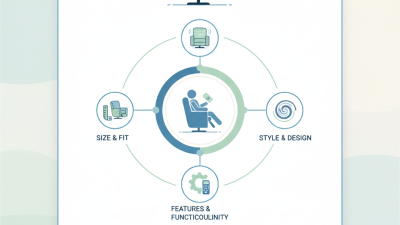
The process is not perfectly linear. A buyer may select the correct size yet overlook transfer technique or maintenance needs. That mistake is common. Before ordering, measure the wheelchair seat carefully and confirm the user’s actual sitting width. Review return policies, shipping conditions, and authorized distribution channels. A genuine roho cushion should arrive with clear instructions and identifiable product information. Testing remains valuable, because comfort cannot be judged from a screen alone. With informed comparison and professional guidance, global buyers can make a safer, more practical decision. The best choice is not always the most expensive model. It is the cushion that fits the person, chair, environment, and care plan.
An air-cell wheelchair cushion uses interconnected air compartments to spread load beneath the pelvis. Its flexible surface can immerse around bony areas and reduce concentrated pressure. Some models also support lateral stability through contoured bases or modular inserts. The design is practical, but not automatically suitable for every user.
Pressure management matters because prolonged sitting can damage skin and deeper tissue. The World Health Organization reports that more than 75 million people need wheelchairs worldwide, while only 5–15% can access one. Its Wheelchair Provision Guidelines also stress proper assessment, fitting, and follow-up. A cushion should match the user’s posture, transfer ability, pelvic position, body weight, and skin-risk level. It may suit daily wheelchair use, rehabilitation, or users with limited sensation. It is not a replacement for medical assessment or regular pressure relief.
Global buyers should check seat width, seat depth, cover breathability, inflation controls, repair kits, and local technical support. The ISO 16840-2 standard provides methods for evaluating wheelchair cushion performance, including pressure distribution and stability. Ask for test conditions, not only impressive percentages. A laboratory result may not reflect a humid home, uneven flooring, or an active user who transfers frequently. Air cushions need routine inspection. Small leaks can change support overnight. In my experience, choosing the softest option feels appealing, yet excessive immersion may reduce stability and make transfers harder. The better choice is often less obvious.
| Evaluation Dimension | Typical Design or Specification | Potential User Benefit | Selection and Use Considerations |
|---|---|---|---|
| Cushion Technology | Interconnected air cells arranged in a matrix, usually covered by a removable outer cover. | Allows the seating surface to conform to the user’s body and distribute pressure more evenly than a rigid seating surface. | The air-cell layout should match the user’s seating posture, body shape, transfer needs, and level of postural support. |
| Pressure Redistribution | Adjustable air volume enables the cushion height and immersion level to be modified. | Can help reduce concentrated loading on the pelvis and other vulnerable contact areas when correctly adjusted. | It should not be treated as a substitute for regular pressure relief, skin inspection, repositioning, or professional clinical advice. |
| Cushion Height | Common product categories include low-profile, mid-profile, and high-profile air-cell configurations. | Higher profiles may offer greater immersion and pressure redistribution; lower profiles may simplify transfers and improve clearance. | Check the user’s functional ability, transfer technique, footrest height, desk clearance, and the wheelchair’s seat-to-floor height. |
| Stability and Postural Support | Some designs prioritize flexible immersion, while others incorporate firmer zones, contours, or positioning features. | May improve sitting comfort and help accommodate mild postural asymmetry when fitted correctly. | Users requiring substantial lateral, pelvic, or trunk control may need a specialist seating assessment and additional supports. |
| Size and Fit | Available sizes are generally selected according to wheelchair seat width, seat depth, and the user’s pelvic dimensions. | A properly fitted cushion helps maintain intended air-cell positioning and reduces the risk of contact with the wheelchair frame. | Measure the actual seating surface rather than relying only on nominal wheelchair dimensions. Avoid excessive overhang or compression. |
| Intended Use: Daily Wheelchair Seating | Designed for use on a compatible wheelchair seat with a stable, correctly sized base. | Can support comfort and pressure management during routine mobility and seated activities. | Secure the cushion to prevent sliding, and verify that the cover is oriented and installed according to the product instructions. |
| Intended Use: Pressure-Injury Risk Management | Air-cell cushions are commonly selected for users who need enhanced pressure redistribution while sitting. | May help manage pressure and shear exposure as part of a broader seating and skin-care program. | Users with an existing wound, impaired sensation, or high clinical risk should obtain assessment from a qualified healthcare professional. |
| Adjustment Requirement | Air pressure is set manually or with an approved adjustment method, depending on the product design. | Personalized adjustment can improve immersion, comfort, and functional stability. | Too little air may cause bottoming out; too much air may reduce immersion and increase instability. Adjustment should be checked periodically. |
| Material and Construction | Typically uses flexible, sealed air-cell materials combined with a durable, washable cover. | Flexible construction supports conformity, while the cover can help protect the cushion from routine contamination. | Confirm compatibility with the user’s cleaning routine, climate, body weight, transfer method, and expected frequency of use. |
| Moisture and Temperature | Air-filled surfaces generally do not rely on foam compression for support and may be paired with breathable cover materials. | May help reduce heat retention compared with some dense foam surfaces, depending on cover and environmental conditions. | Moisture from perspiration or incontinence must still be managed promptly to protect skin health and product materials. |
| Portability | Many air-cell cushions can be deflated or rolled for transport, subject to the product’s instructions. | Convenient for travel, temporary seating, and users who move between multiple seating surfaces. | Protect the cells and valve from sharp objects, excessive folding, heat, and rough handling during transportation. |
| Maintenance | Routine care usually includes checking air retention, inspecting valves and seams, and cleaning the cover and cushion as directed. | Regular maintenance helps preserve performance, hygiene, and service life. | Do not use harsh solvents, abrasive tools, or unapproved repair materials. Follow the applicable care instructions. |
| Environmental Compatibility | Performance can be affected by temperature, altitude, storage conditions, and prolonged exposure to sunlight. | Appropriate handling supports consistent air pressure and material durability in different regions. | For international buyers, confirm local climate requirements, storage conditions, transport packaging, and after-sales support. |
| Best Overall Selection Approach | Match the cushion profile, size, cover, and adjustment method to the user and wheelchair rather than choosing by appearance alone. | Improves the likelihood of achieving comfort, stability, pressure redistribution, and practical daily use. | Prioritize clinical assessment, accurate measurements, correct setup, user training, warranty terms, replacement parts, and local service availability. |