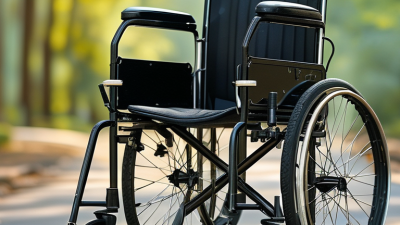
Why are golden lift chairs so popular? The answer reaches beyond comfort. These powered recliners support sitting, standing, resting, and daily movement within one familiar seat. For many older adults, that matters more than fashionable upholstery.
The Centers for Disease Control and Prevention reports that more than one in four adults aged 65 and older falls each year. That statistic helps explain the appeal of a controlled lift mechanism. A user can press a handset button, raise the footrest, and shift forward without pushing hard against the armrests. Small details matter. A firm cushion, reachable controls, and a stable base can change a difficult transfer into a calmer routine.
AARP’s 2024 Home and Community Preferences Survey found that 75% of adults aged 50 and older want to remain in their current homes. Golden lift chairs fit that preference by bringing supportive seating into bedrooms, living rooms, and recovery spaces. Grand View Research also identifies powered recliner demand as a growing part of the broader home-care furniture market. Still, market growth does not prove that every chair suits every person.
Geriatrician Dr. Mary Tinetti has stated, “Falls are not an inevitable consequence of aging.” Her warning deserves attention. A lift chair may assist movement, but it cannot replace proper assessment, safe flooring, or professional advice. Seat height, user weight, transfer ability, and emergency access all require careful checking. The product is helpful, sometimes remarkably so. Yet calling it a complete mobility solution would be careless. That is where this popular chair deserves a closer, more honest look.
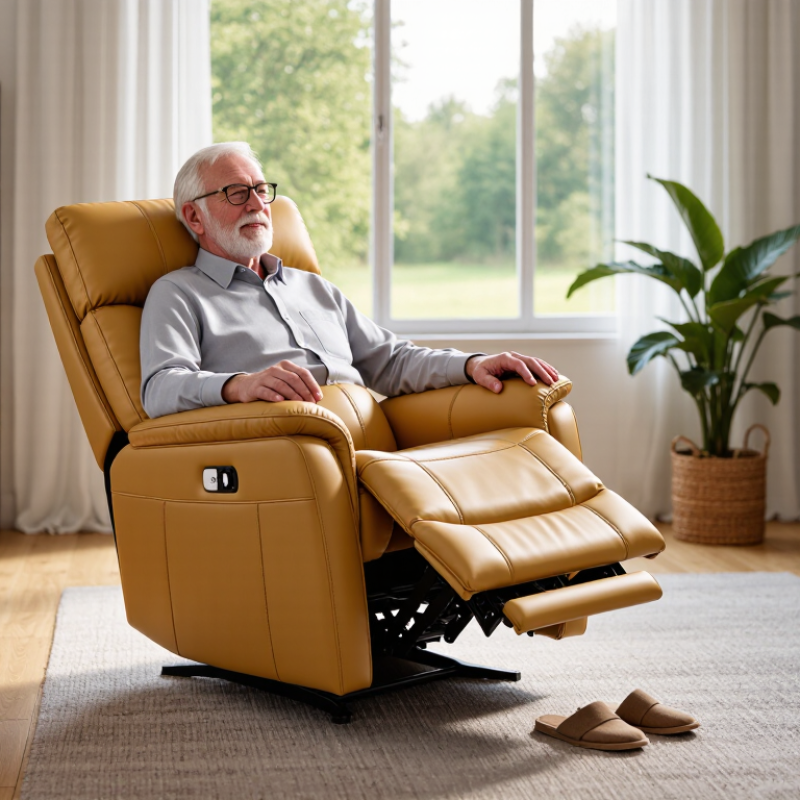
A golden lift chair is a powered recliner that gently raises its seat and user. The word “golden” can describe a product category, not necessarily its color. It may also suggest comfort, aging support, or premium construction. The chair uses an electric actuator, a handheld control, and a stable footrest. When activated, the back reclines while the seat tilts forward. This movement can reduce the effort needed to stand. It may help older adults, people recovering from surgery, or users with limited leg strength.
The need is growing.
The United Nations Department of Economic and Social Affairs reported 761 million people aged 65 or older worldwide in 2021. That figure may reach 1.6 billion by 2050. The AARP 2021 Home and Community Preferences Survey found that 77% of adults want to remain in their current homes. A lift chair supports that goal inside a familiar living room. Look for a wide base, emergency battery support, washable upholstery, and a control with large buttons. Test the sitting height carefully. Too much cushion can make standing harder, not easier.
A qualified therapist or clinician should assess individual needs, especially after an injury. Users should also check weight limits and keep cords away from walking paths. Some models feel firm and supportive; others feel soft but unstable. Comfort is personal, and product descriptions cannot replace a real sitting test.
Why Are Golden Lift Chairs So Popular?
How Golden Lift Chairs Support Mobility and Independence
A golden lift chair can make standing safer for people with weak legs, stiff joints, or poor balance. It gently tilts and rises, reducing the need to push hard against armrests. With one control, users can move from sitting to standing more steadily. The motor does not replace strength. It simply offers useful support.
Real independence matters.
At home, this support can help someone stand beside a sofa, reach a walking aid, or answer the door. The reclining position may also ease pressure during rest. However, every body needs a different setup. A seat that feels comfortable for one person may leave another’s feet unsupported. An occupational therapist can assess posture, transfer ability, and suitable controls.
Fit matters most.
Before choosing a chair, check the seat depth, armrest height, footrest length, and lifting speed. Keep the surrounding floor clear, especially near tables and rugs. The chair should stand on a stable surface and connect to a safe power outlet. Some users may still need supervision during transfers. That detail is easy to overlook.
A lift chair cannot prevent every fall or solve every mobility problem. I would not treat it as a complete care plan. Regular movement, professional advice, and correctly fitted walking equipment may still be necessary. Even small adjustments, such as placing the control on the stronger side, can improve confidence and daily independence.
Lift chairs can support mobility and independence by helping older adults transition between sitting and standing. This is especially relevant because falls are a common health concern among adults aged 65 and older.
In the United States, about 1 in 4 adults aged 65 and older reports a fall each year, and about 1 in 5 falls causes a serious injury. Lift chairs are designed to make standing and sitting easier, but they should be used together with appropriate medical advice and fall-prevention measures.
Source: U.S. Centers for Disease Control and Prevention, “Important Facts About Falls.”
Golden lift chairs are popular because they support sitting, standing, and resting in one controlled movement. A powered lifting mechanism gently raises the seat, reducing strain on knees, hips, and the lower back. This feature can help older adults and people recovering from limited mobility. It matters.
Comfort depends on more than thick padding. Look for supportive armrests, breathable upholstery, and a footrest that extends without pressing against the ankles. Multiple reclining positions can help users read, nap, or ease swelling after a long day. A remote with large, clearly marked buttons is easier to operate, especially with weak grip or reduced vision. Small details help.
Safety should guide the purchase. A stable base, smooth motor movement, and an emergency battery backup can reduce avoidable risks during power interruptions. Keep the chair away from loose rugs and allow space behind it. A caregiver should check whether the seat height fits the user’s feet and whether the person can reach the controls comfortably. Some chairs may feel secure but still be too deep or soft for certain bodies. Testing the chair at home remains wise, because showroom comfort can be misleading. Regularly inspect cables, hinges, and the remote for wear.
Why Are Golden Lift Chairs So Popular?
Who Benefits Most From Using a Golden Lift Chair?
A golden lift chair can help older adults who struggle to stand from low furniture. Its powered lift gently raises the seat and supports a safer transition. This matters for people with weak knees, stiff hips, balance concerns, or limited leg strength. The golden upholstery can also brighten a quiet living room.
People recovering from joint surgery may benefit during daily routines. A raised position can reduce the effort needed to sit or stand. Caregivers may find transfers easier when the chair moves slowly and predictably. However, a lift chair is not a substitute for professional rehabilitation. A physiotherapist or occupational therapist should assess individual needs.
The best fit depends on body size, posture, and room layout. Check whether both feet rest firmly on the floor. The armrests should support the user without forcing the shoulders upward. A clear path around the chair reduces tripping risks. Keep the remote control within easy reach.
Small details matter.
Someone with severe balance problems may still need supervision. A person with memory difficulties could also press the controls incorrectly. I once underestimated how much seat depth affects comfort; a chair can look supportive yet leave shorter users poorly positioned. Measurements, trial use, and advice from a qualified healthcare professional remain important before purchase.
| User Group or Need | Why a Golden Lift Chair May Help | Useful Function | Potential Benefit | Important Consideration |
|---|---|---|---|---|
| Older adults with reduced leg strength | Standing from a low or soft seat can require substantial effort and balance control. | Powered lift mechanism that tilts the seat upward and forward. | May reduce the effort needed to move from sitting to standing. | The user should be able to follow instructions and maintain enough balance when standing. |
| People with knee, hip, or back discomfort | A supported transition can limit deep bending and repeated pushing through the legs. | Adjustable recline and lift positions controlled by a handheld remote. | Can make sitting, resting, and repositioning more comfortable for some users. | Comfort varies by person; a healthcare professional should advise on use after an operation or injury. |
| People with limited mobility | The chair can provide powered positioning without requiring the user to manually adjust a heavy recliner. | Motorized lift, recline, and footrest movement. | May support greater independence during daily rest periods. | Check that the controls are large, reachable, and easy for the user to operate. |
| People recovering from surgery | A chair with powered positioning may simplify transfers while strength and movement are temporarily limited. | Gradual lift and recline adjustment. | May make it easier to change position without pulling on furniture. | Use only according to the surgeon's or rehabilitation professional's guidance. |
| People who spend long periods seated | Reclining can change body position and provide support for the back and legs. | Multiple recline positions and an elevating footrest. | May improve comfort during reading, watching television, or resting. | Regular movement and position changes are still important; prolonged sitting has health risks. |
| Caregivers supporting transfers | The powered lift can reduce the need for a caregiver to pull a person upward manually. | Controlled lift motion with stable armrests and a firm seat. | May support safer, more predictable transfers when used correctly. | It does not replace proper transfer technique, supervision, or professional mobility equipment when required. |
| Homeowners seeking a warmer interior style | Golden upholstery can add a warm accent and make the chair look less clinical than many mobility products. | Decorative upholstery combined with lift-and-recline functionality. | Allows accessibility equipment to blend more easily with living-room décor. | Color names and fabric tones vary; confirm the material, cleaning method, and lighting appearance before purchase. |
| Buyers comparing models | Lift chairs are not standardized, so fit and safety depend on the individual model. | Review seat width, seat height, depth, reclined length, lifting capacity, motor type, and backup features. | A correctly fitted chair may provide better comfort, stability, and usability. | Measure the room and the user; keep the chair away from walls and walkways according to the instructions. |
Practical note: A golden lift chair is most suitable for people who need assistance with sitting, standing, or reclining. Product specifications, maximum user weight, safety features, and recommended clearances differ by model, so the manufacturer's instructions and professional advice should be followed.
Golden lift chairs are gaining attention because they combine assisted standing, softer seating, and a warmer visual presence. The color matters. Muted gold upholstery can feel less clinical beside wood floors, cream walls, or patterned rugs. AARP’s 2024 Home and Community Preferences Survey found that 75% of adults aged 50 and older want to remain in their current homes. That preference supports furniture that improves daily movement without making a room resemble a care facility. The CDC reports that one in four U.S. adults has a disability. Many experience mobility limitations during ordinary tasks. Small details matter. A steady lift path, reachable handset, washable fabric, and backup battery can influence confidence.
Safety concerns also affect purchasing decisions. The CDC reports that more than one in four adults aged 65 and older falls each year. A lift chair cannot prevent every fall. It may, however, reduce strain during sitting and standing when properly fitted. Seat height, user weight, footrest alignment, and wall clearance require careful checking. Home-care professionals often assess these details before recommending supportive furniture. Buyers sometimes focus on the golden finish and overlook motor noise or awkward controls. That is an easy mistake. Dust may also show more clearly on pale golden fabric. Testing the chair with everyday shoes, a real remote, and nearby walking space gives a more honest impression than showroom sitting alone.
El Paso – Main Branch