As mobility needs grow, choosing the right medical scooter requires more than comparing speed and price. The World Health Organization and UNICEF estimate that over 2.5 billion people need assistive products worldwide. That number may reach 3.5 billion by 2050. Mobility support is becoming a daily necessity, not a luxury.
This guide examines the leading medical scooter types expected to matter in 2026. Portable travel scooters suit airports, compact car trunks, and short shopping trips. Three-wheel models offer tighter turning around kitchen counters and narrow hallways. Four-wheel scooters provide steadier handling on sidewalks, ramps, and uneven pavement. Heavy-duty models support larger users and longer outdoor journeys. Folding designs save storage space. All-terrain versions handle grass, gravel, and cracked paths more confidently, although no scooter performs perfectly everywhere.
Commercial research supports this expanding market. Grand View Research identifies rising demand for mobility scooters, driven by population aging and increased accessibility awareness. Fortune Business Insights reports similar growth trends in its mobility scooter market analysis. However, their market definitions and forecast methods differ. That deserves attention. Forecasts are useful, but real-world fit matters more than a polished percentage. The CDC’s Disability and Health Data System also reports substantial mobility limitations among U.S. adults, reinforcing the need for practical product choices. Buyers should examine seat width, battery range, turning radius, ground clearance, weight capacity, braking controls, and service access. A scooter can look impressive in a showroom. It may still feel unstable on a sloped driveway. This overview combines current industry evidence with everyday usage details, while recognizing that user comfort and clinical guidance cannot be reduced to one ranking.
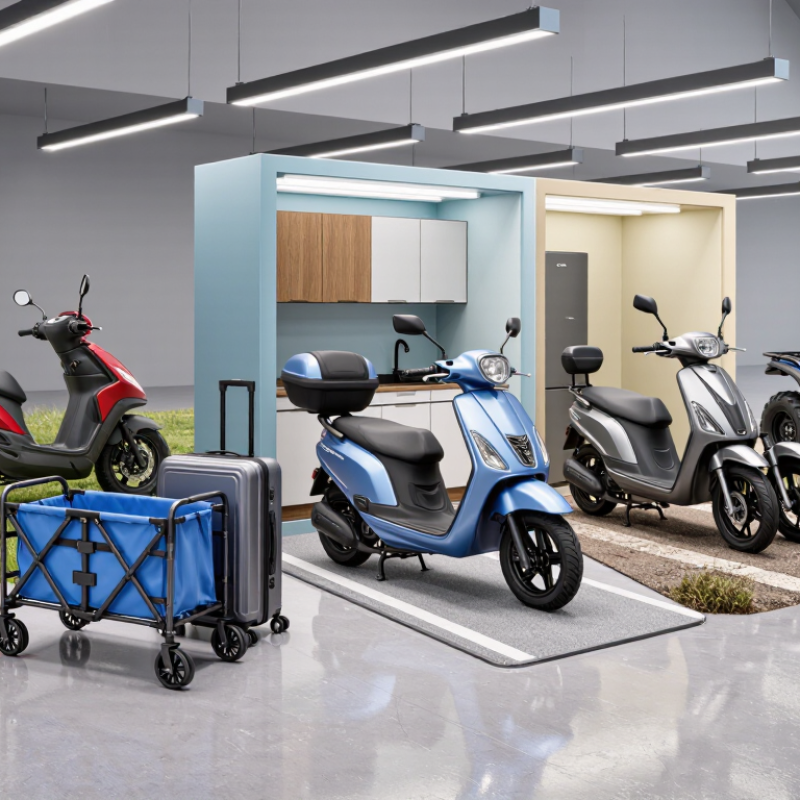
Medical scooters are powered mobility devices designed for people who cannot walk safely or comfortably over longer distances. They usually include a supportive seat, handlebars, a rechargeable battery, and simple speed controls. In 2026, their main uses remain practical: shopping, medical appointments, neighborhood travel, and movement across large buildings.
Common types include portable scooters, three-wheel models, four-wheel models, and heavy-duty scooters. Portable versions often separate into lighter sections for car storage. Three-wheel designs provide a tighter turning radius indoors. Four-wheel scooters usually feel steadier on uneven paths. Heavy-duty models support larger users and longer outdoor trips, but they need more storage space and stronger charging arrangements.
Choosing a type requires more than checking the advertised range. A mobility assessment should consider posture, hand strength, balance, vision, door widths, pavement quality, and daily travel distance. An occupational therapist or qualified mobility specialist can help match these details with a safe configuration. For example, a small apartment may favor a compact turning circle, while a sloped sidewalk may require larger wheels and stronger stability. Real-world testing matters.
Labels can be confusing. Some sellers use “medical scooter” broadly, even when features differ greatly. Battery performance also changes with temperature, rider weight, hills, and tire condition. I have found that users sometimes focus on speed first, then regret limited comfort or difficult transport. A careful trial can reveal those weaknesses before purchase.
A medical scooter is a battery-powered mobility device with a seated platform, handlebars or a tiller, and a low-speed drive system. It is generally used by people who have difficulty walking long distances but can sit upright and operate basic controls.
| Medical Scooter Type | Typical Configuration | Main Uses in 2026 | Portability | Terrain and Stability | Typical Features | Important Considerations |
|---|---|---|---|---|---|---|
| Travel or Portable Scooter | Usually a compact three- or four-wheel design; some models separate into several transportable sections. | Short shopping trips, appointments, indoor venues, travel, and occasional outdoor use on smooth, level surfaces. | Highest portability among scooter categories; commonly selected for car transport and storage in small spaces. | Best on smooth pavement and firm indoor flooring. Smaller wheels and limited suspension can reduce comfort on uneven ground. | Folding or disassembly options, compact turning radius, tiller controls, rechargeable battery, and removable seat or battery on some models. | The lightest design is not always the easiest to lift. Check the heaviest removable section, battery rules for travel, and doorway clearance. |
| Three-Wheel Scooter | One front wheel and two rear wheels, generally with a narrower front profile than four-wheel designs. | Indoor mobility, corridors, retail aisles, residential spaces, and paved areas where maneuverability is important. | Often easier to maneuver and may be lighter, although portability depends on the specific model. | A tight turning circle is a key advantage. It generally provides less lateral stability than a comparable four-wheel scooter. | Narrow chassis, responsive steering, adjustable tiller, padded seat, anti-tip wheels, and speed control. | Riders should use extra caution on slopes, side hills, uneven surfaces, and sharp turns at higher speeds. |
| Four-Wheel Scooter | Two front wheels and two rear wheels, with a broader wheelbase than most three-wheel scooters. | Daily neighborhood travel, shopping, paved parks, residential roads, and mixed indoor-outdoor mobility. | Moderate portability; many models are heavier and have a wider turning circle than three-wheel versions. | Usually offers greater straight-line and lateral stability on firm, paved surfaces and gentle outdoor routes. | Suspension on some models, larger tires, headlights, reflectors, mirrors, baskets, and adjustable seating. | Confirm that the width fits doorways, lifts, ramps, and storage areas. Stability does not eliminate the need to avoid steep or unsafe slopes. |
| Mid-Size or Full-Size Scooter | A larger three- or four-wheel platform with a supportive seat, larger frame, and greater battery capacity than compact travel designs. | Frequent community travel, longer paved routes, shopping centers, medical visits, and regular outdoor use. | Lower portability than travel scooters; usually transported with a vehicle lift, ramp, or dedicated accessible vehicle. | More comfortable and stable on ordinary outdoor pavement, with better ground clearance and suspension on selected models. | Larger seat, improved lighting, stronger suspension, higher-capacity battery, storage compartments, and more legroom. | Measure storage and transport space carefully. Actual travel range decreases with rider weight, hills, cold temperatures, tire condition, and frequent stops. |
| Heavy-Duty or Bariatric Scooter | Reinforced frame, wider seating, stronger drivetrain, and a higher manufacturer-rated weight capacity. | Regular mobility for larger-bodied users, longer outdoor trips, and routes requiring additional seating space and structural support. | Generally the least portable category because of greater weight and overall size. | Designed for stable operation on suitable paved and firm surfaces; some models include stronger suspension and larger tires. | Reinforced chassis, high-capacity batteries, wide seat, heavy-duty tires, adjustable armrests, and robust suspension on some models. | Never exceed the stated user-and-cargo weight limit. Verify ramp capacity, lift capacity, turning space, charging requirements, and transport arrangements. |
| All-Terrain Scooter | Usually a four-wheel chassis with larger pneumatic or solid tires, increased ground clearance, and enhanced suspension. | Firm trails, grass, gravel paths, large outdoor properties, and paved routes with occasional uneven sections. | Low portability; commonly requires a vehicle platform lift, trailer, or accessible transport solution. | Better suited to uneven but firm terrain than compact scooters. It is not intended for mud, deep sand, water crossings, or hazardous slopes. | High ground clearance, suspension, rugged tires, stronger lighting, weather-resistant controls, and larger battery systems on some models. | Pneumatic tires can improve comfort but require pressure checks and may puncture. Terrain capability must remain within the manufacturer’s limits. |
| Indoor Compact Scooter | A narrow, low-speed scooter optimized for interior spaces, often with a short wheelbase and compact controls. | Home use, assisted-living environments, hospitals, clinics, offices, and other buildings with smooth floors. | Usually easier to store and maneuver indoors; transportability varies by frame and battery design. | Best on level, dry flooring. Small wheels and limited clearance make outdoor obstacles and rough surfaces unsuitable. | Small turning radius, adjustable tiller, narrow body, low-speed settings, compact seat, and electromagnetic braking. | Check corridor, elevator, doorway, and bathroom dimensions. Maintain clear space around the scooter while charging. |